A town of matcha sweets and old tea shops
Uji, under 30 minutes by train from Kyoto, has grown tea for centuries and is known across Japan for its matcha. The street leading to Byodoin temple is lined with tea merchants and cafes. See the Phoenix Hall, then stop for matcha sweets or a cup of tea.
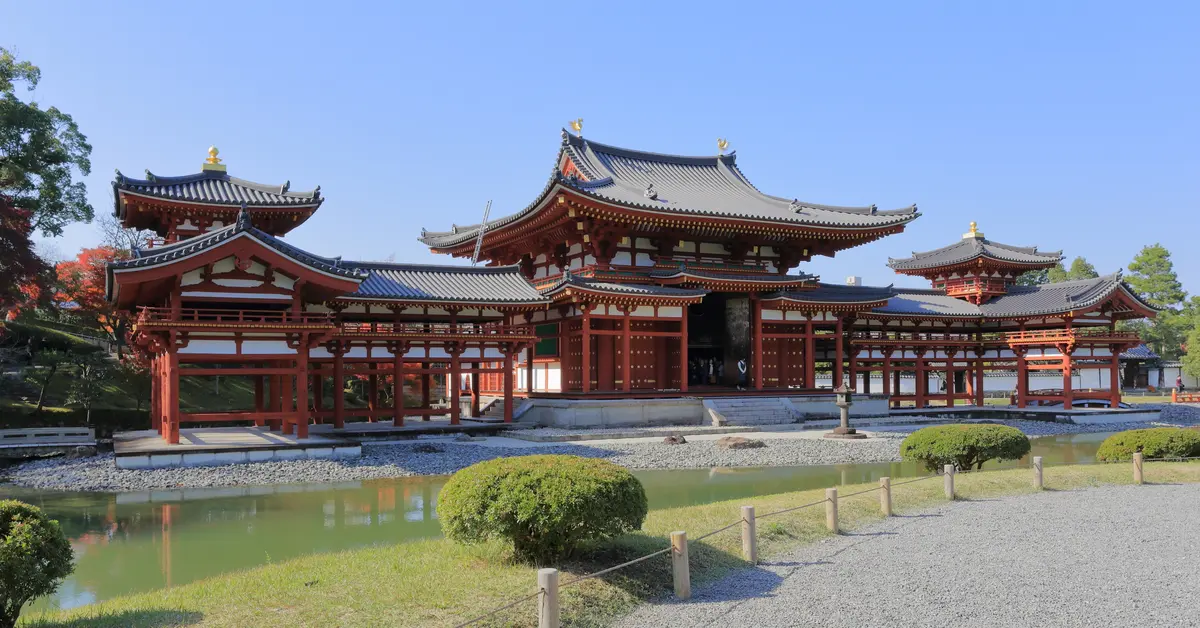
The Phoenix Hall, built in 1053, seems to float on its pond; it is the building on the back of the 10-yen coin, so bring one to compare. The Hoshokan museum holds the original bronze phoenixes from its roof. The hall's interior is shown in small groups at set times, for an extra fee.

This 160-meter street to the temple gate is lined with tea merchants, sweet shops and cafes, many selling matcha soft-serve to eat as you walk. It is the place to buy Uji tea to take home.

The Byodoin branch of Nakamura Tokichi, a tea merchant founded in 1854, a few steps from the approach street. Its matcha sweets include nama-cha jelly, the matcha jelly the shop is known for. No reservations, so expect a line on busy days.

The main store, near JR Uji Station, occupies the merchant's Meiji-era buildings, including a tea-roasting house built in 1896 that is part of Uji's Important Cultural Landscape. It is the only branch that serves nama-cha jelly in a bamboo cup, and you can buy tea in the shop.
Said to have served tea to travelers at the foot of Uji Bridge since 1160, it calls itself Japan's oldest tea shop. Stop for matcha and a sweet, or buy tea to take home, at the end of your walk.