
A canal town of poled boats and steamed eel
Yanagawa is an old castle town laced with canals, about 50 minutes from Fukuoka's Tenjin Station on the Nishitetsu Line. Ride a donko-bune, a flat boat that a boatman pushes along with a single bamboo pole, for about an hour under willows and low bridges, then eat seiro-mushi, eel and rice steamed together in a wooden box, a dish said to have been created here in the Edo period. It is far from Osaka and Kyoto, so it fits best into a trip to Kyushu.
A boarding point for the canal boats, where a boatman stands at the back and pushes a flat donko-bune along with one bamboo pole, floating for about an hour down willow-lined canals. At the lowest bridges, everyone ducks their heads. You can ride without booking.
The shop credited with first serving seiro-mushi. Eel grilled over charcoal is laid on rice soaked in sweet sauce and steamed in a seiro, a wooden box, so the rice comes out hot and the eel soft. It is closed on Mondays.
An eel restaurant founded in the late Edo period at Okinohata, where the canal boats end their trip. Step off the boat and sit down by the canal to seiro-mushi with kimosui, a clear soup with eel liver.
The former residence of the Tachibana family, lords of Yanagawa. From the great hall you look out over a garden where black pines and stones stand for the sea and its islands, and a white Western-style mansion from the early 1900s stands beside it. It is a short walk from where the boat ride ends.
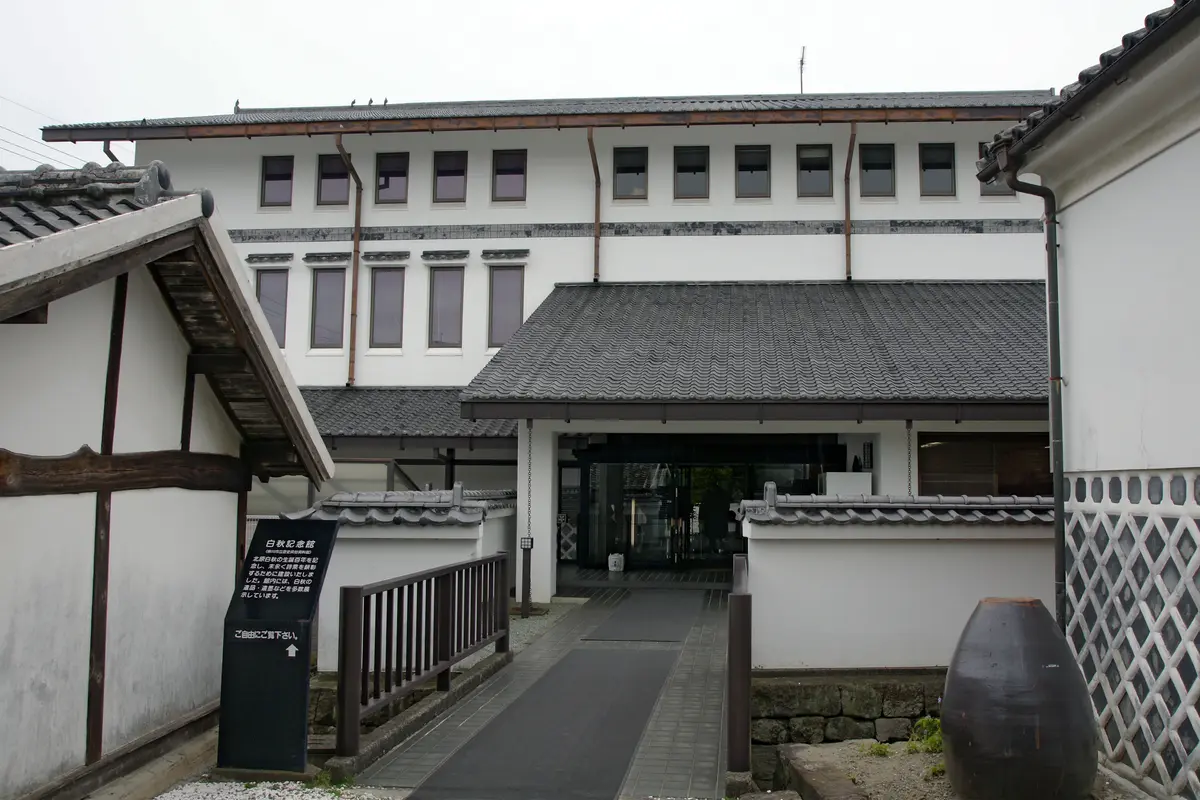
The childhood home of Hakushu Kitahara, a poet who wrote the words to children's songs still sung across Japan, in his family's sake brewery. In the museum behind it, you can trace how the canal town found its way into his poems.