Sip matcha looking out over a Japanese garden
Many of Japan's landscape gardens have a teahouse where you can stop for matcha, whisked powdered green tea, with a small seasonal sweet. Walk the paths first, then sit and look out over the pond, moss and trees from your seat. No tea ceremony knowledge is needed; just sip and enjoy the view.
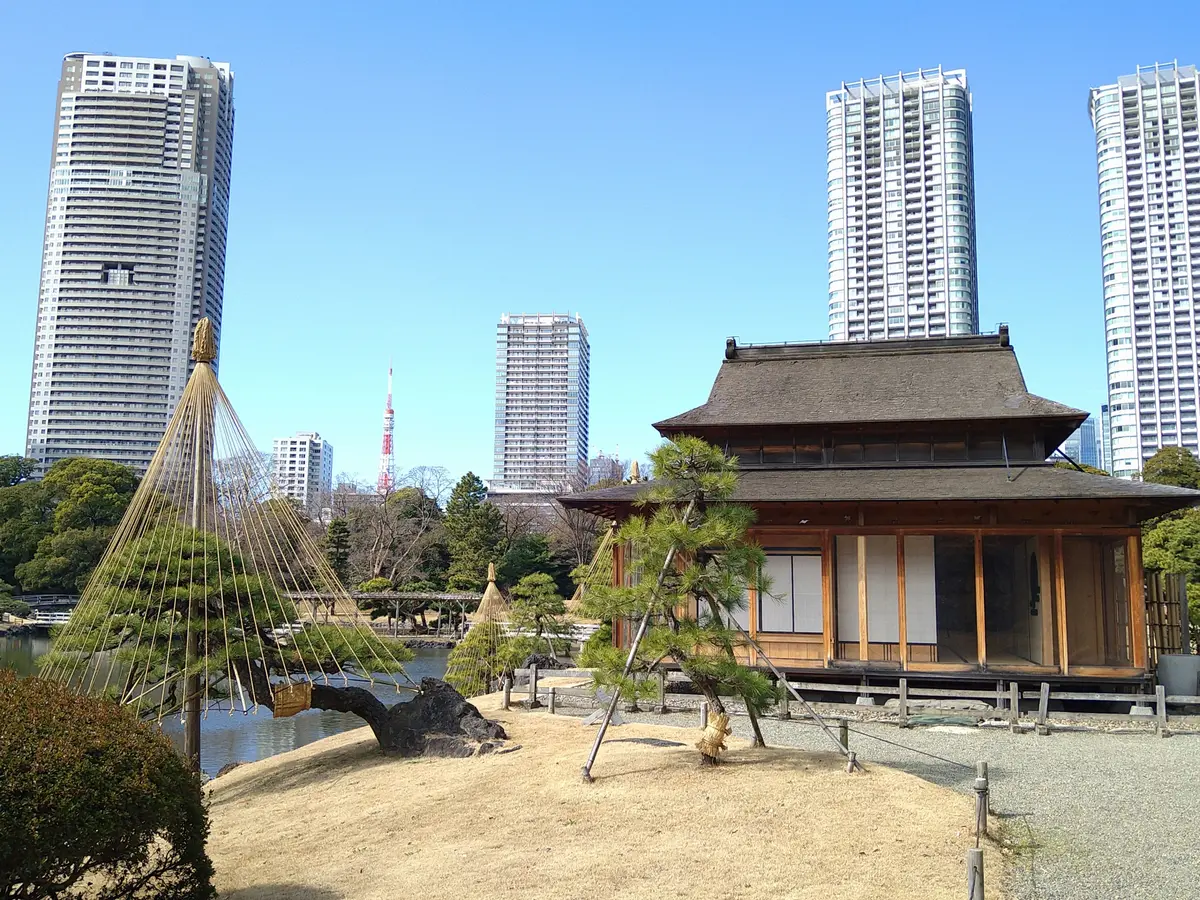
A teahouse on an island in the only seawater pond left in Tokyo, which rises and falls with the tides of Tokyo Bay, with skyscrapers standing behind the garden. Cross the wooden bridge to it after a walk around the garden. About 7 minutes on foot from Shiodome Station; entry is 300 yen.
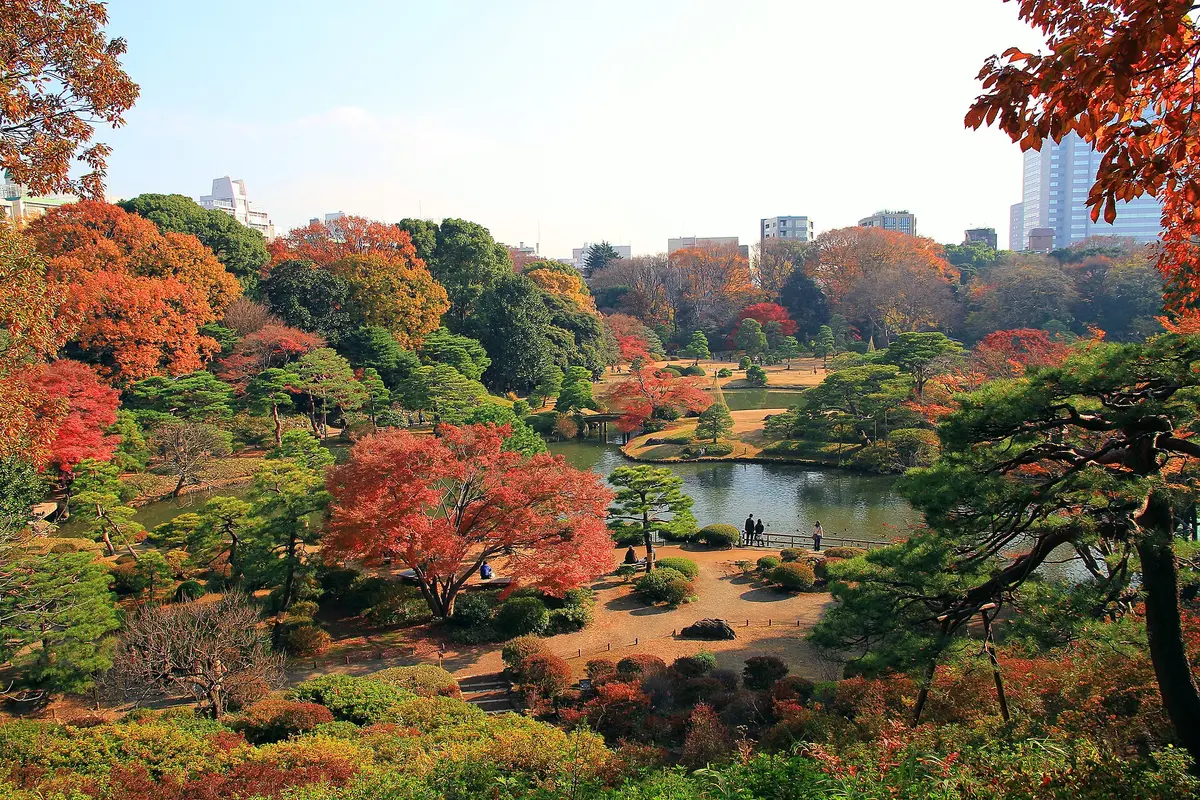
A stroll garden laid out around 1700 by Yanagisawa Yoshiyasu, a senior adviser to the shogun, known for its giant weeping cherry in spring and its maples in autumn. Fukiage Chaya, a teahouse on the pond's shore, serves matcha with namagashi, a soft sweet shaped for the season. It is near Komagome Station on the JR Yamanote Line.

A 1920s house that mixes Japanese rooms with a Western-style parlor. Sit on tatami with matcha and a sweet, looking out on a garden that Sukiya Living, an American journal of Japanese gardens, ranks third in the country.

A garden of ponds and old trees behind a wedding and banquet hall, where Muan, a teahouse first built for a 19th-century merchant and later moved here, serves matcha. No reservation is needed; tea is served Friday to Monday from 11am to 3pm, for 1,815 yen.
A moss garden of some 130 kinds of moss under about 200 maples, which you look down on from the Shinwa-tei teahouse over matcha and a seasonal sweet, seated at tables rather than on tatami. The moss looks its best when wet, so it suits a rainy day in Gora. Closed on Thursdays.

Hakuun-do, a group of teahouses begun in the 1910s by Masuda Don'o, a businessman and tea master, sits on the slope above the park's Western-style garden of fountains and flower beds. Watch matcha being whisked for you and drink it with a sweet for 750 yen; entry to the park is 650 yen.