
Walk across hillsides covered in flowers
Some hills in Japan turn a single color from edge to edge: blue with nemophila, pink with moss phlox, yellow with rapeseed blossoms, or red with kochia bushes in autumn. Each hill peaks in a different season, so pick one that matches your travel dates and check the bloom news on its website. The hills are large, so allow one to two hours to walk around slowly.
A hill above the sea in Hitachi Seaside Park, Ibaraki, that turns sky blue with nemophila, tiny blue flowers, from mid-April to early May. In autumn the same slope fills with kochia, round bushes that turn from green to red. The park is about two hours from Tokyo by train and bus, and spring weekends are busy, so go early in the day.
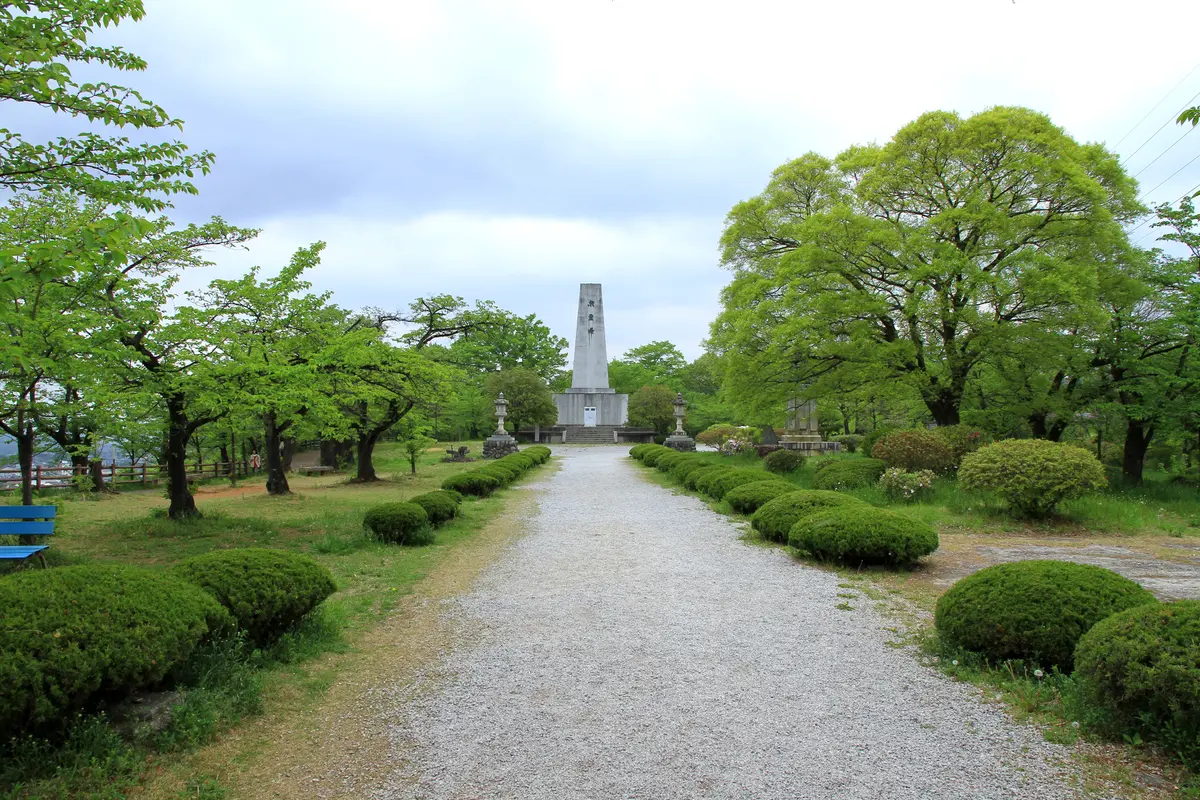
A hill in Hitsujiyama Park, Chichibu, where over 400,000 shibazakura, a low moss phlox, spread in patterns of pink, white and purple like a patchwork carpet. It blooms from mid-April to early May, when a flower festival is held. Chichibu is about 80 minutes from Ikebukuro in Tokyo on the Seibu limited express.
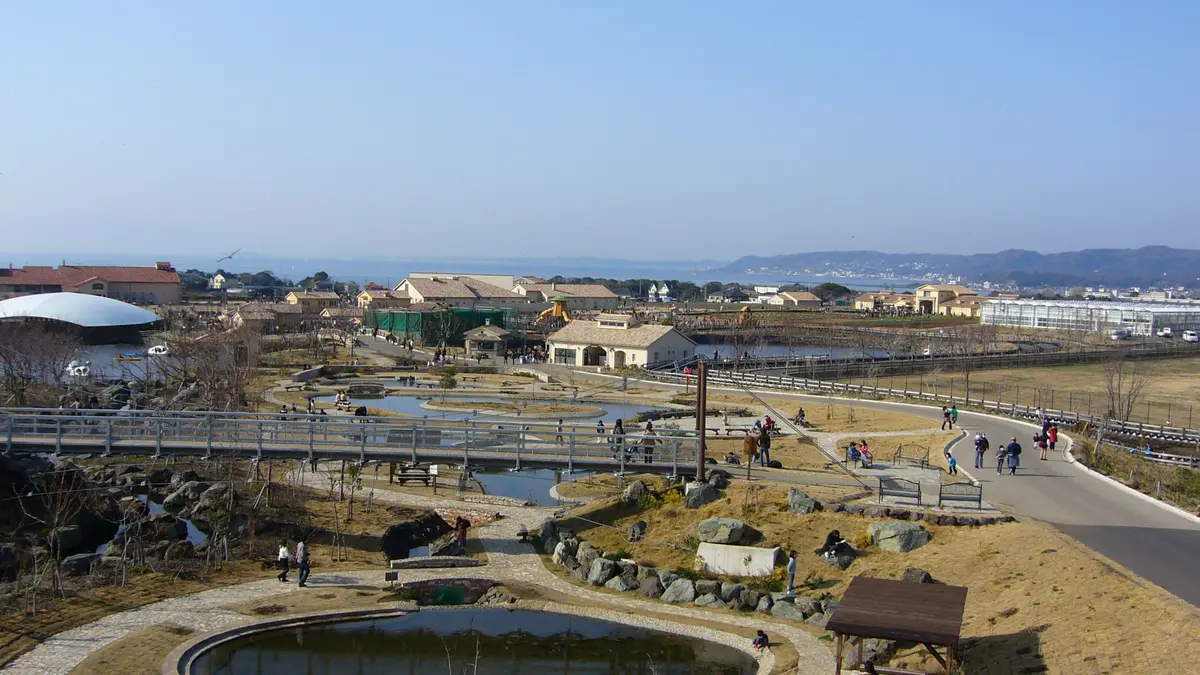
A large park on a hill near the tip of the Miura Peninsula, south of Yokohama, where the flowers change with the seasons. About 100,000 sunflowers bloom in summer, yellow cosmos in autumn, and rapeseed blossoms from winter into spring. Entry is free, and it is about 15 minutes by bus from Misakiguchi Station on the Keikyu Line.

A small hill above Ninomiya, a seaside town in Kanagawa, whose top turns yellow with about 60,000 rapeseed plants in January and February. Standing among the flowers, you look out over Sagami Bay and, on clear days, Mount Fuji. You can walk up from Ninomiya Station, a little over an hour from Tokyo on the JR Tokaido Line.