
See flowers float in a shrine's water basin
Before praying, visitors to a shrine or temple rinse their hands at a stone water basin, and some places now fill these basins with floating seasonal flowers, a custom called hanachozu. The flowers are changed often, so the colors are different each time you go. Some displays run only at certain times of year, so check the shrine's website before a long trip.
A temple in the hills of Nagaokakyo, southwest of Kyoto, that is said to be where the flower-basin custom began. In front of the main hall, water pours from a dragon's mouth into a large basin, one of five spots in the grounds where flowers float, changing through the year. It sits up in the hills, so a taxi from JR Nagaokakyo Station is the easiest way there.

A shrine in Kawagoe, an old merchant town about 30 minutes from Tokyo by train, where the basins before the hall and along the approach fill with seasonal flowers. The flowers are changed often, so the colors differ from visit to visit. It is about a 6-minute walk from the east exit of Kawagoe Station, so it is easy to stop by before heading to the old streets.
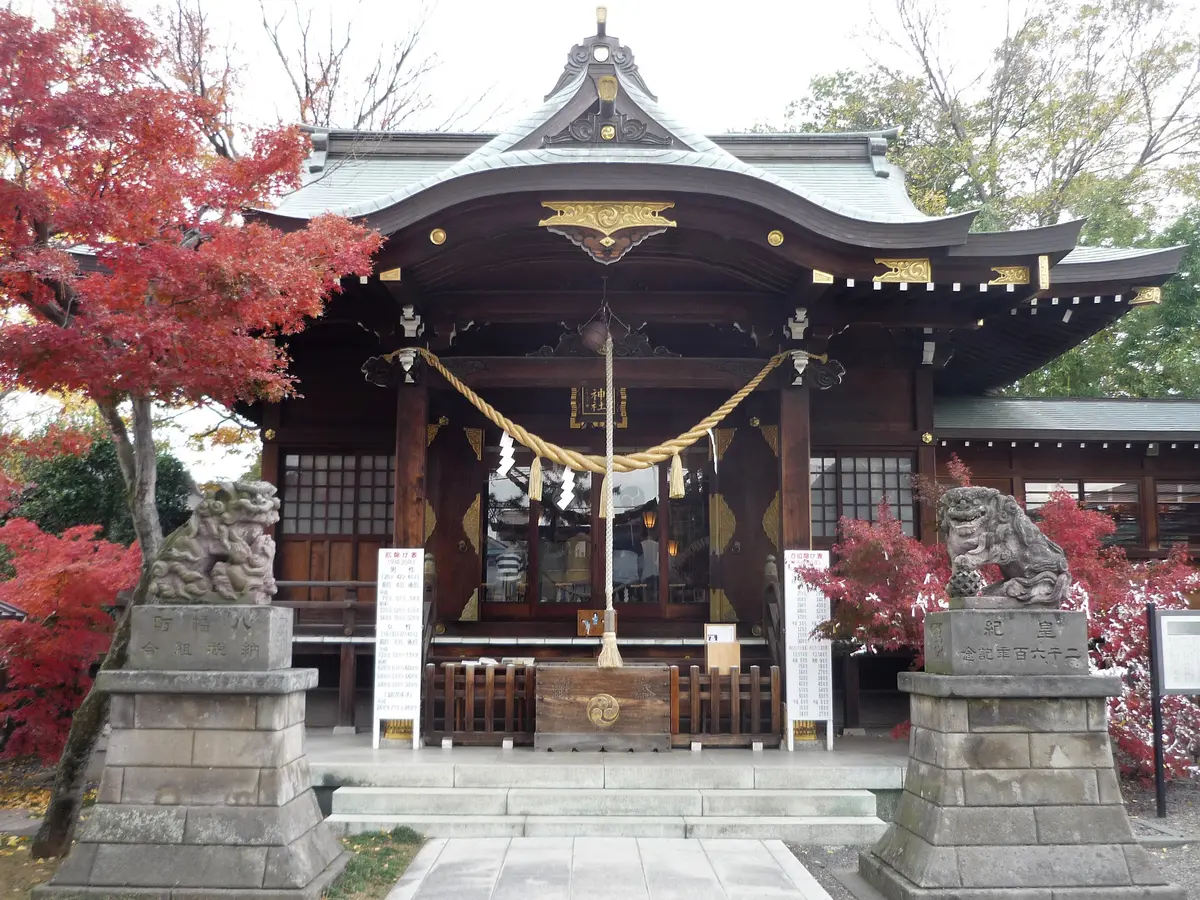
A shrine in Gyoda, Saitama, that has filled its basin with flowers since 2020, and the custom has since spread across the town. Each month during Gyoda Hanachozu Week, shops and homes around town also set out flower basins, and on one night they are lit up after dark. Gyoda is about an hour north of Tokyo by train, and the dates change each month, so check them before you go.
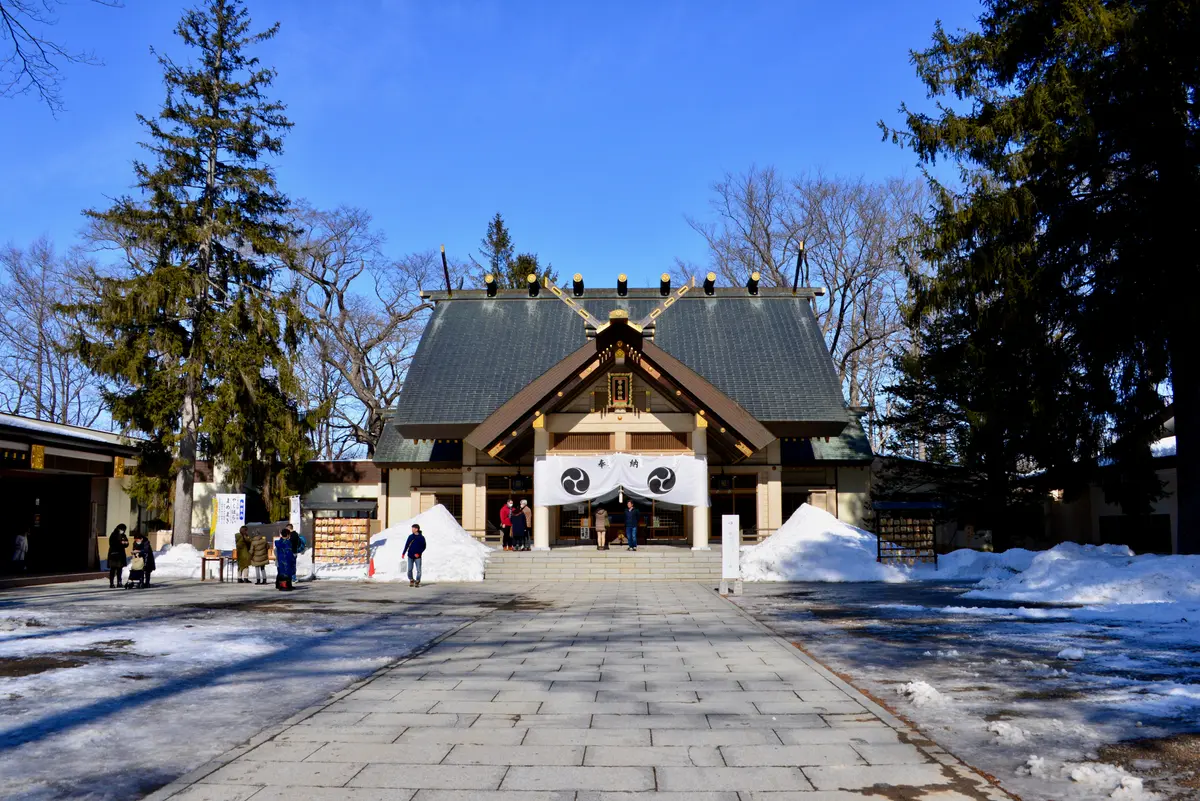
A shrine in Obihiro, in the wide farmlands of eastern Hokkaido, where flowers float in five different basins around the grounds. The displays run only a few times a year, such as in early May and in summer, so check the shrine's website for the dates. Obihiro is a flight from Tokyo, so plan it as part of a trip to Hokkaido.