
A neighborhood of chocolate, ink and leather
Kuramae, on the Sumida River one subway stop from Asakusa, is named after the shogunate's rice storehouses that once lined the bank; the name means "in front of the storehouses." Today its old warehouses and small buildings hold workshops and shops for chocolate, leather, ink and coffee, which has earned it the nickname "Tokyo's Brooklyn." Walk the side streets and look into one after another; it pairs easily with a morning in Asakusa.
A bean-to-bar chocolate maker from San Francisco, whose Kuramae shop fills a converted warehouse with a cafe looking onto the workshop. Sip a hot chocolate while you watch cacao beans being roasted, ground and turned into bars. The drinks change with the beans in use, so the menu may differ from one visit to the next.

A leather-goods brand's own shop, selling wallets, card cases and bags it designs itself in simple, practical shapes. The pieces are out on the shelves, so you can pick them up and feel the leather before you choose.

A clothing shop whose shirts, knitwear and stoles are colored with plant dyes, a method called kusaki-zome that gives soft, slightly uneven natural tones. The brand also holds dyeing workshops in Kuramae; check its website for how to book.

A stationery shop known for notebooks made to order: you choose the cover, the paper and the clasp, and the shop puts the notebook together for you. It also sells pens and its own bottled inks, so you can take home a full set. Some services take reservations, so check the website before you go.

A cafe with its own roastery, where the beans are sourced and roasted by the company itself. Ask the staff which beans and brewing method suit your taste, and buy a bag to take home. It is closed on Mondays and Tuesdays.

A shop of clothing and zakka, everyday household goods, from Japan, the United States and Europe, chosen to be comfortable and to last for years. It is an easy stop on a walk around Kuramae, and it is closed on Mondays.
A hostel whose high-ceilinged ground floor is a cafe and bar open to everyone, not only guests. Come for coffee by day, or for a drink in the evening, when travelers and locals share the big tables.
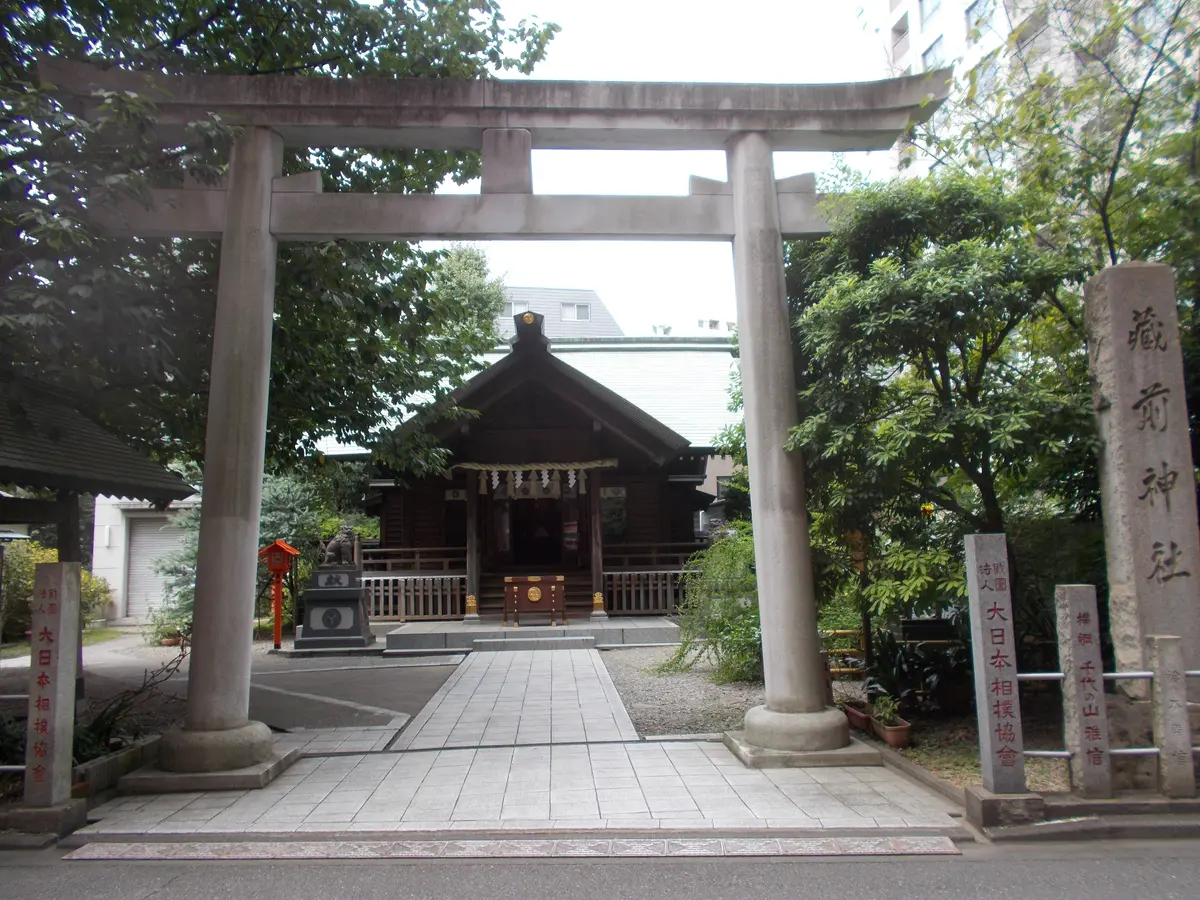
A small shrine founded in 1693 to Hachiman, a god of archery and protection once worshipped by samurai. In the Edo period sumo tournaments were held on its grounds, and stones linked to sumo still stand there. You can receive a goshuin, a handwritten shrine stamp, here.