
Black soybeans and wild boar hotpot in a castle town
Sasayama is a castle town in a mountain basin in eastern Hyogo, where big swings between day and night temperatures are said to give its black soybeans, Tamba-guro, their flavour. Stop at a bean merchant, warm up with botan-nabe (wild boar hotpot, a dish of the cooler months), then walk a street of Edo-period merchant houses and the rebuilt hall of the castle.
A bean merchant dealing in Tamba black soybeans; the main shop sells black beans, Tamba dainagon azuki and more. On a small tour you sort black beans by hand and take some home. Tours run on set weekdays and are booked by phone at least two days ahead.

A lunchtime restaurant serving botan-nabe, Sasayama's hotpot of wild boar simmered in miso broth. Soldiers stationed here spread the dish across Japan in the early 1900s, and a local song of 1931 gave it its name. Tables can be booked online.
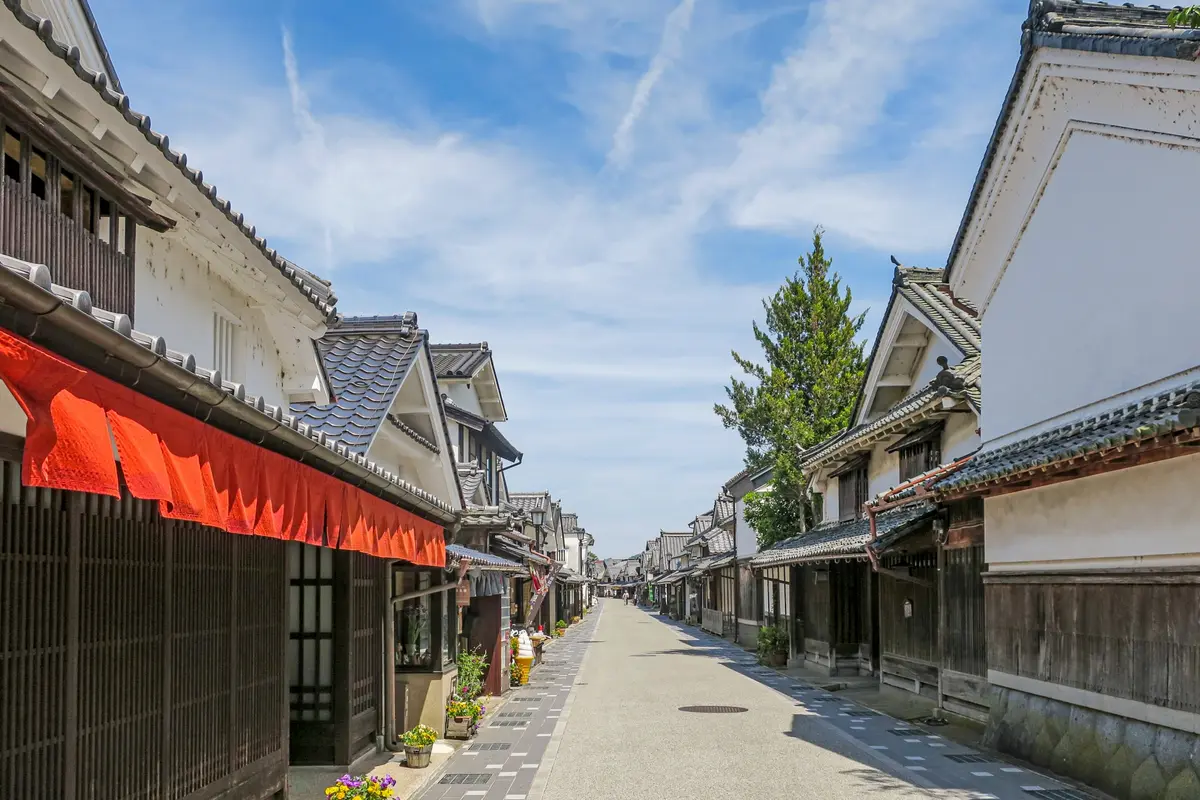
About 600 metres of Edo-period merchant houses, built gable-end to the street, with fine wooden lattices and small plastered windows. The power lines were removed in 2021, so the street looks much as it once did; cafes and shops now occupy some of the houses.
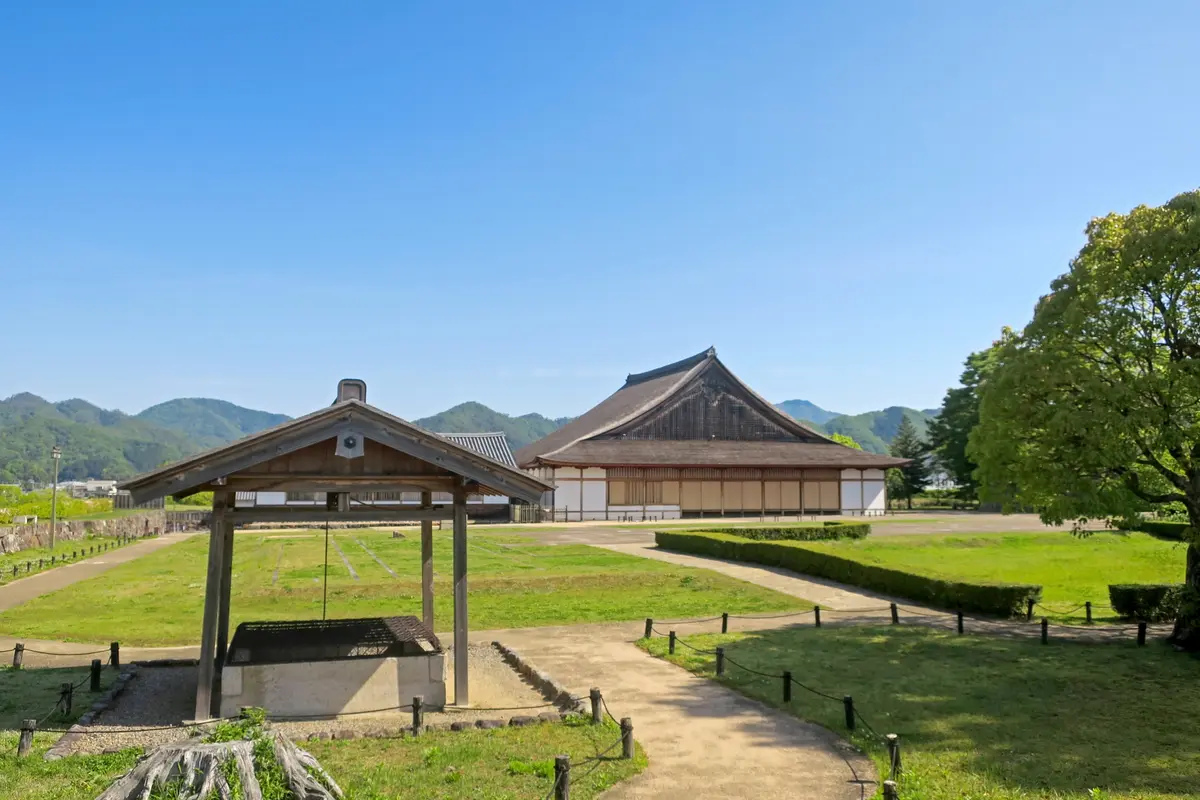
A reconstruction of the great hall of Sasayama Castle, on the castle site. In the raised audience room, early Edo-period screens recreate how it once looked, and a model and short film tell the castle's story. Closed on Mondays.
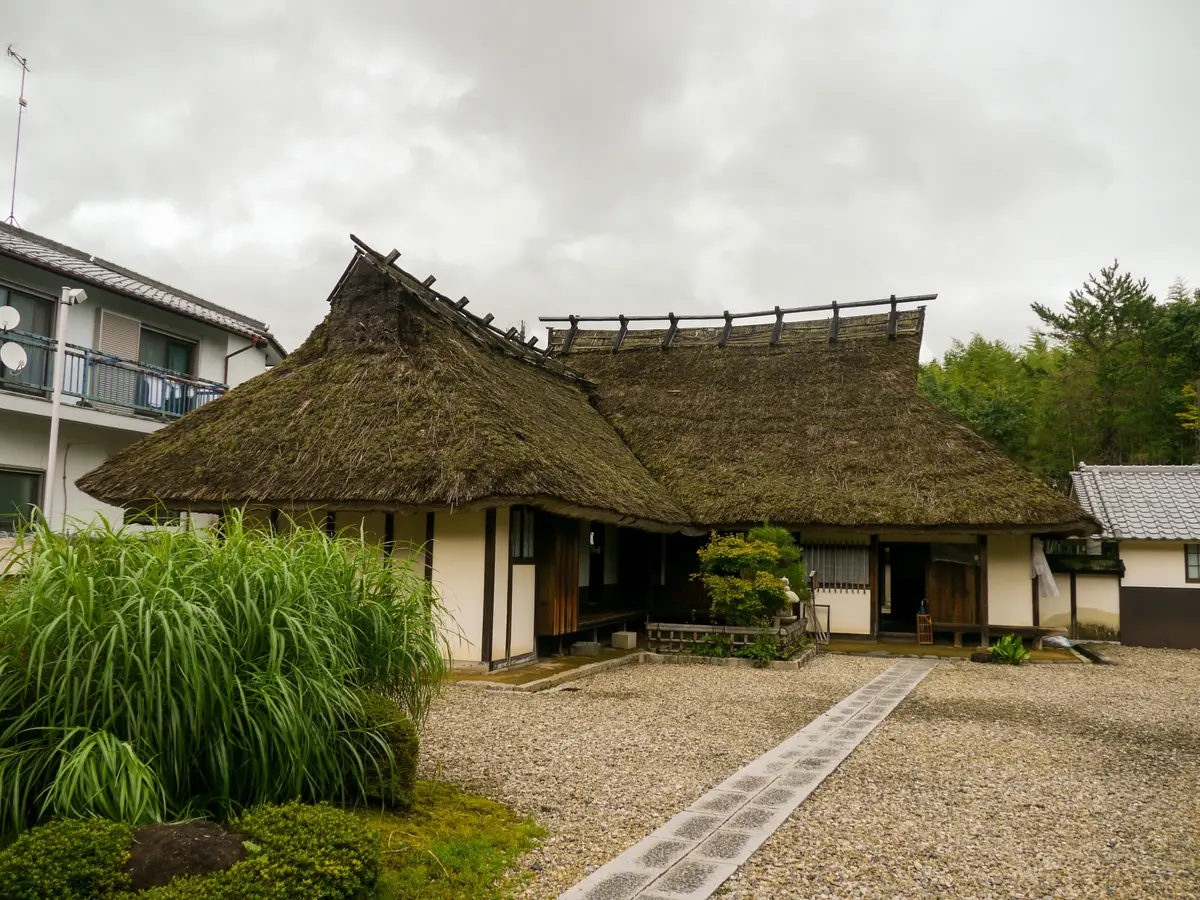
A thatched samurai house of the Sasayama domain, now a small museum. Inside are the family's old documents, household tools and furniture, and arms from the domain.
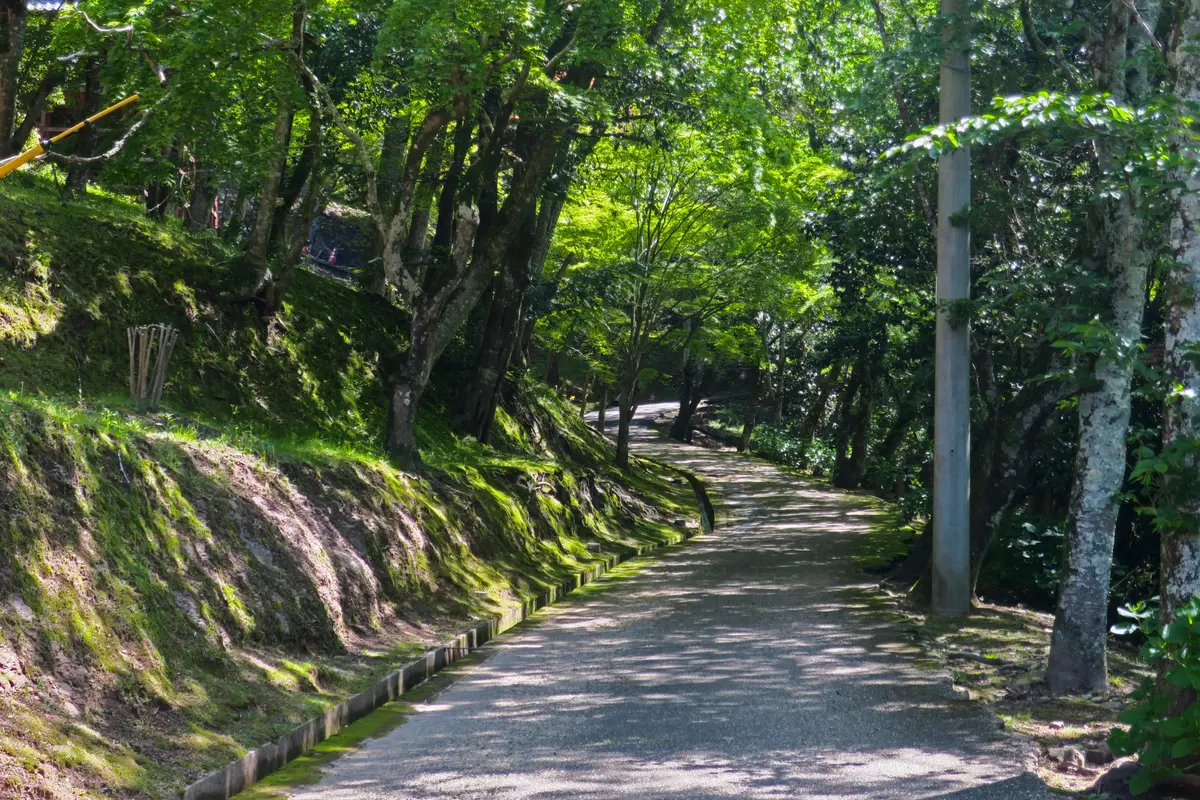
A small hill at the eastern edge of the castle town, with views over the old streets and cherry blossoms and autumn leaves in season. Climb the stone steps through red torii gates to Makekirai Inari, a shrine whose name means "hates to lose".