
Rich ramen, a bookshop and quiet hillside gardens
Ichijoji, in the north-east of Kyoto, is known for the ramen shops lined up along its main road, many of them serving rich, heavy broths. A few minutes' walk uphill, the neighbourhood reaches the foot of Mount Hiei, where a poet's 17th-century retreat and quiet temple gardens sit among the trees. It is a short ride from Demachiyanagi on the small Eizan Railway.
Ramen in a chicken broth simmered down until it is almost as thick as gravy, so it clings to every noodle. It is one of the best known shops in the neighbourhood; seats cannot be reserved, so expect to queue.
A bookshop with books, stationery and household goods picked by its staff, and a gallery whose shows change through the year. Most books are in Japanese, but the crafts, cards and the shop itself make it worth browsing. It is about three minutes on foot from Ichijoji Station.
A ramen shop known for its cloudy broth of pork and chicken bones simmered for many hours. It is credited with bringing rich pork-bone ramen to Kyoto, where soy-sauce broths used to be the norm.
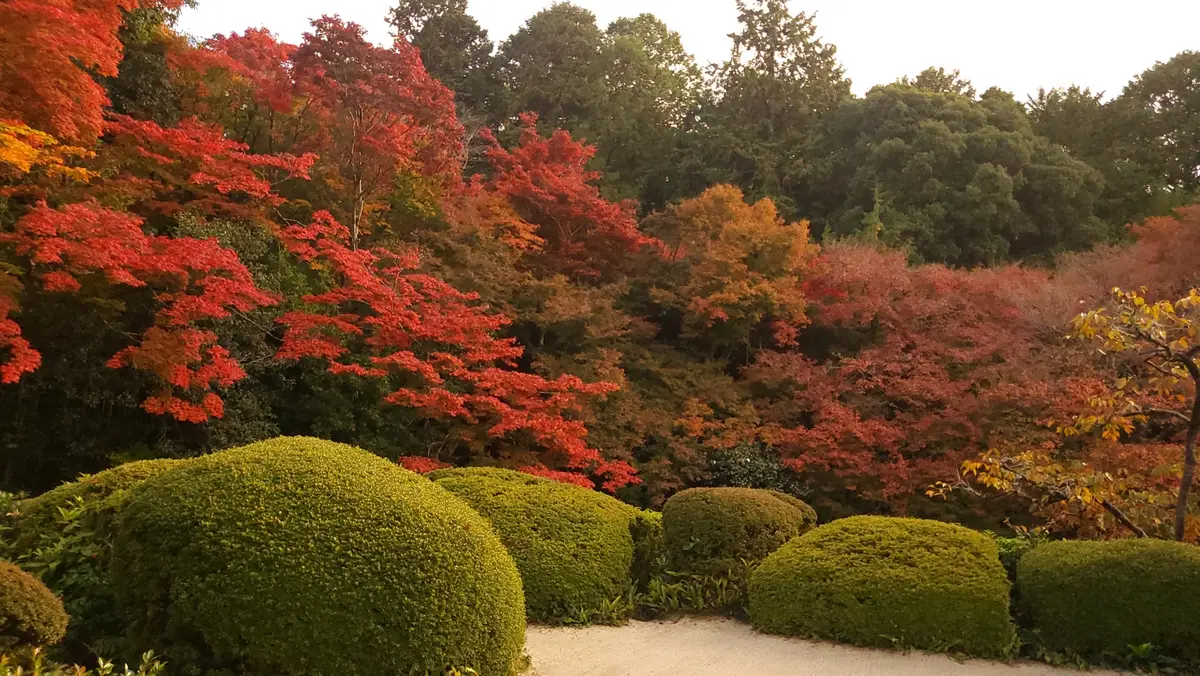
The hillside retreat where a scholar-poet spent his last years in the 1600s. Sit in the open room facing the garden and listen for the knock of the shishi-odoshi, a bamboo pipe that fills with water, tips and strikes a stone. The temple says the poet designed it himself.
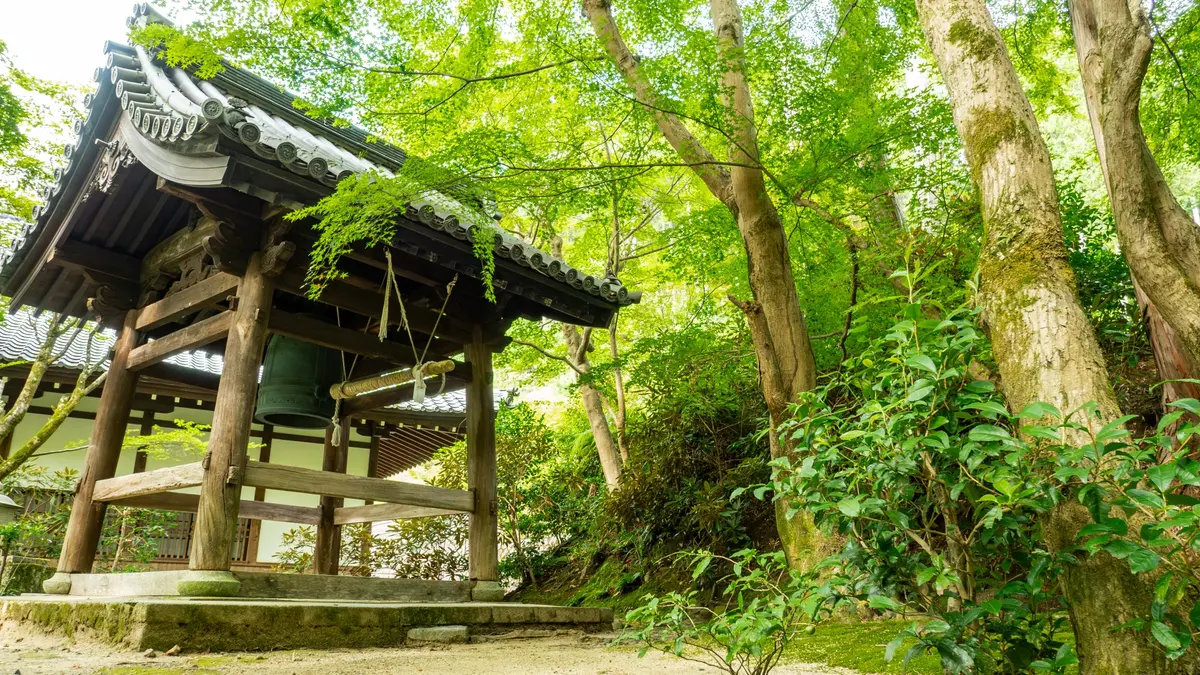
A temple with a pond garden of moss and maples, and a suikinkutsu, a buried jar that rings like a small bell when water drips into it. In the autumn leaf season, entry is by timed reservation only, so book on the temple's website before you go.