
See the real scenes on Japanese banknotes
The designs on Japanese coins and banknotes show real places: a temple hall, a station building, Mt. Fuji seen across a lake. Take one out of your wallet and compare it with the real view, starting with the place nearest you.
The red-brick Marunouchi building on the back of the new 10,000-yen note with Shibusawa Eiichi. Its two domes, lost in a 1945 air raid, have been restored, and you can stand beneath them and look up at the eight-sided ceilings. It is right at the station's Marunouchi exits.

The temple hall on the face of every 10-yen coin, in Uji, under 30 minutes from Kyoto by train. The phoenix on its roof also appears on the older 10,000-yen note with Fukuzawa Yukichi, and the original phoenix statues are shown in the museum next door. Entry to the hall's interior is limited to small timed groups.
The Mt. Fuji on the back of the 1,000-yen note with Noguchi Hideyo comes from a photograph taken at this lake. From the lakeside parking area you can see almost the same view, and on still days Fuji is mirrored in the water as it is on the note. It is one of the Fuji Five Lakes, reached by bus or car.
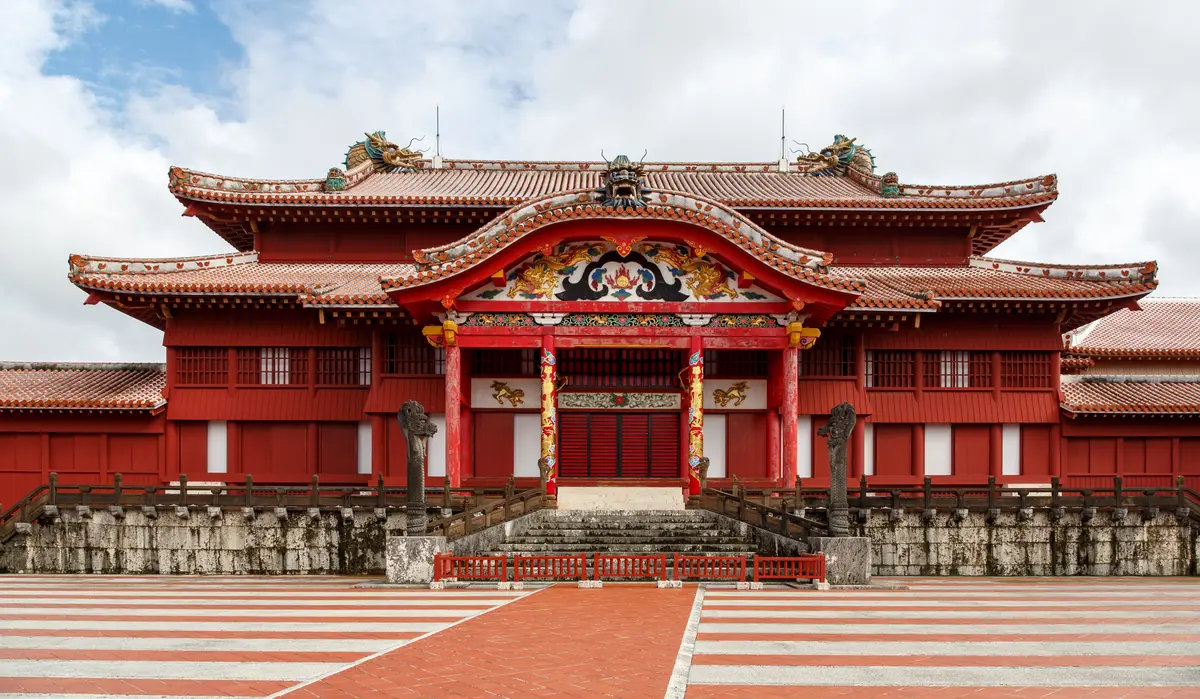
Shureimon, the vermilion gate on the front of the 2,000-yen note, stands on the approach to Shuri Castle in Naha, Okinawa. The note is rarely seen in circulation today, so if you have one, bring it along.