See three castles built to show off power
Nagoya, Osaka and Kumamoto castles were built around 1600 by the warlords who unified Japan and their generals, with all the wealth and skill they could command. Compare Nagoya's golden shachihoko, fish-shaped ornaments on the roof, the giant stones of Osaka's walls and Kumamoto's steeply curving walls.
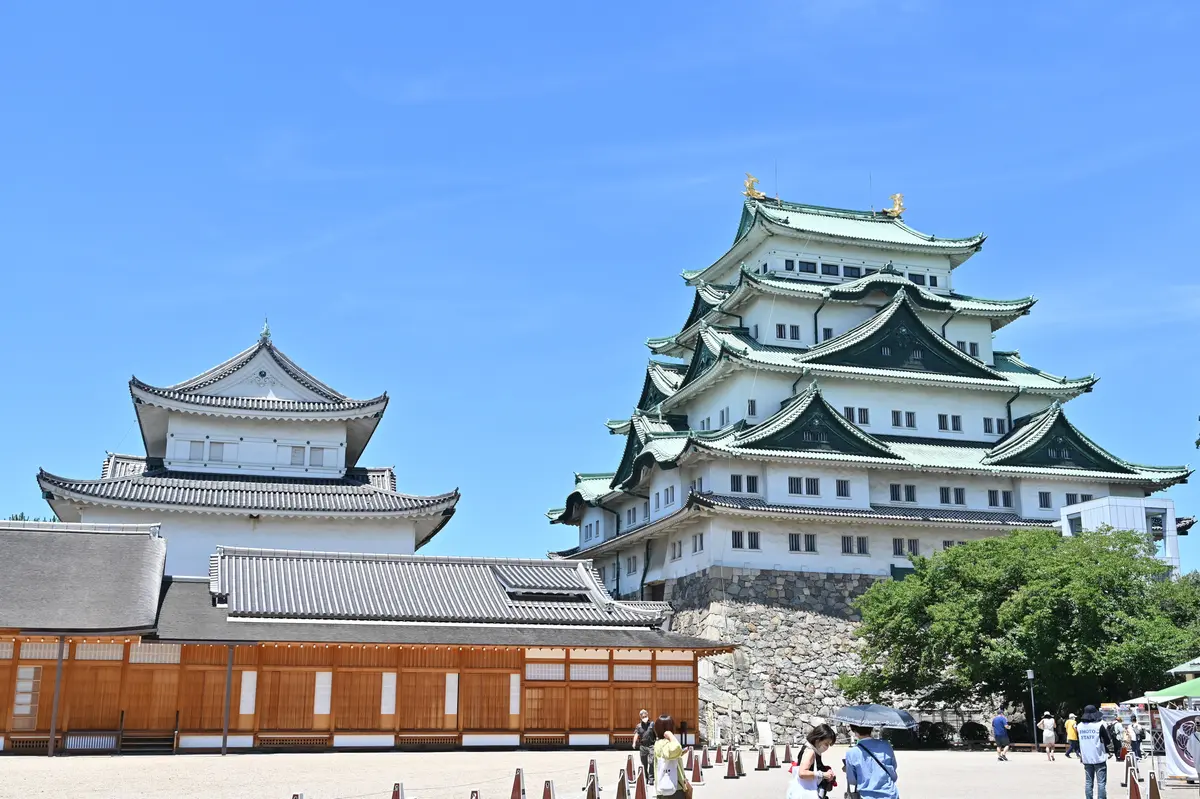
Tokugawa Ieyasu began this castle in 1610, and a pair of golden shachihoko still gleam on the roof of its keep. The keep has been closed since 2018 for a planned rebuild in wood, but the Hommaru Palace, rebuilt in 2018, is open, its rooms lined with paintings on gold leaf. About 5 minutes on foot from Nagoya-jo Station; last entry is at 4pm.
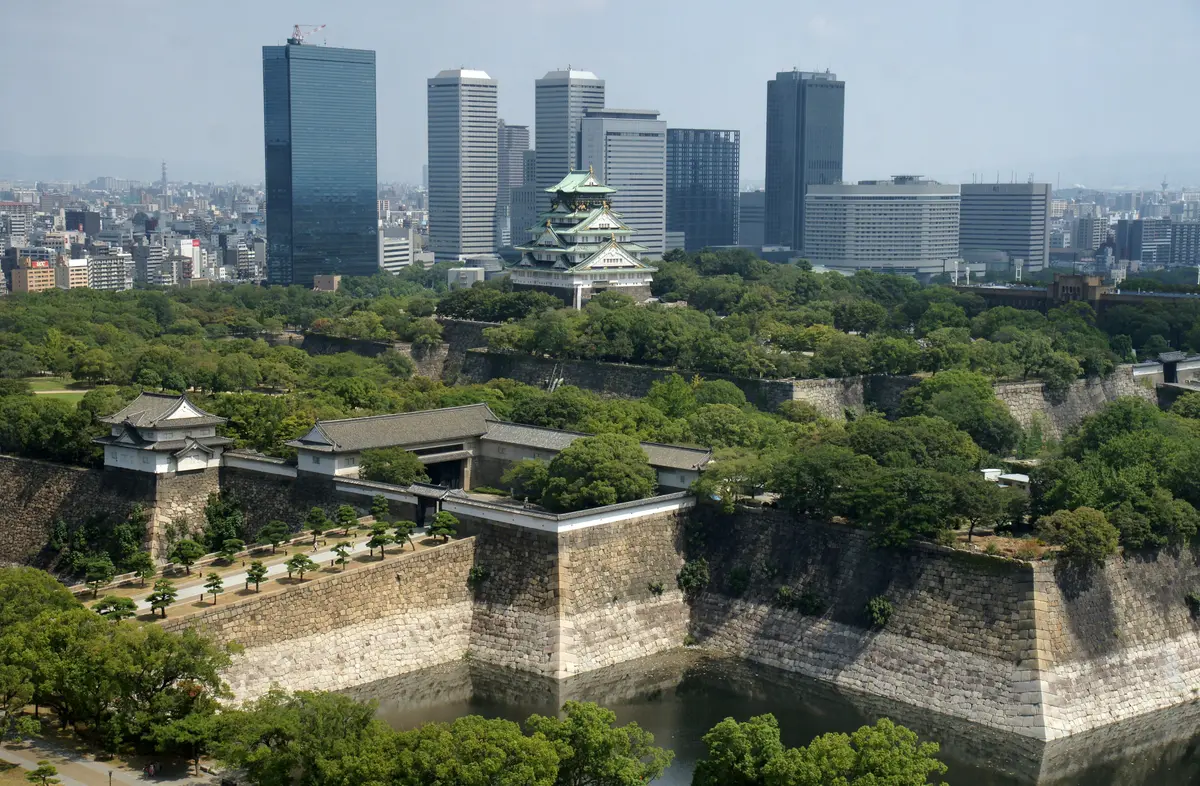
Toyotomi Hideyoshi built the first castle here in the 1580s, and after his family fell, the Tokugawa rebuilt it from 1620 with walls of giant stones, the largest, Takoishi, about 5.5 m tall and 11.7 m wide. The keep, rebuilt in concrete in 1931, holds a history museum, with a lookout on the 8th floor.
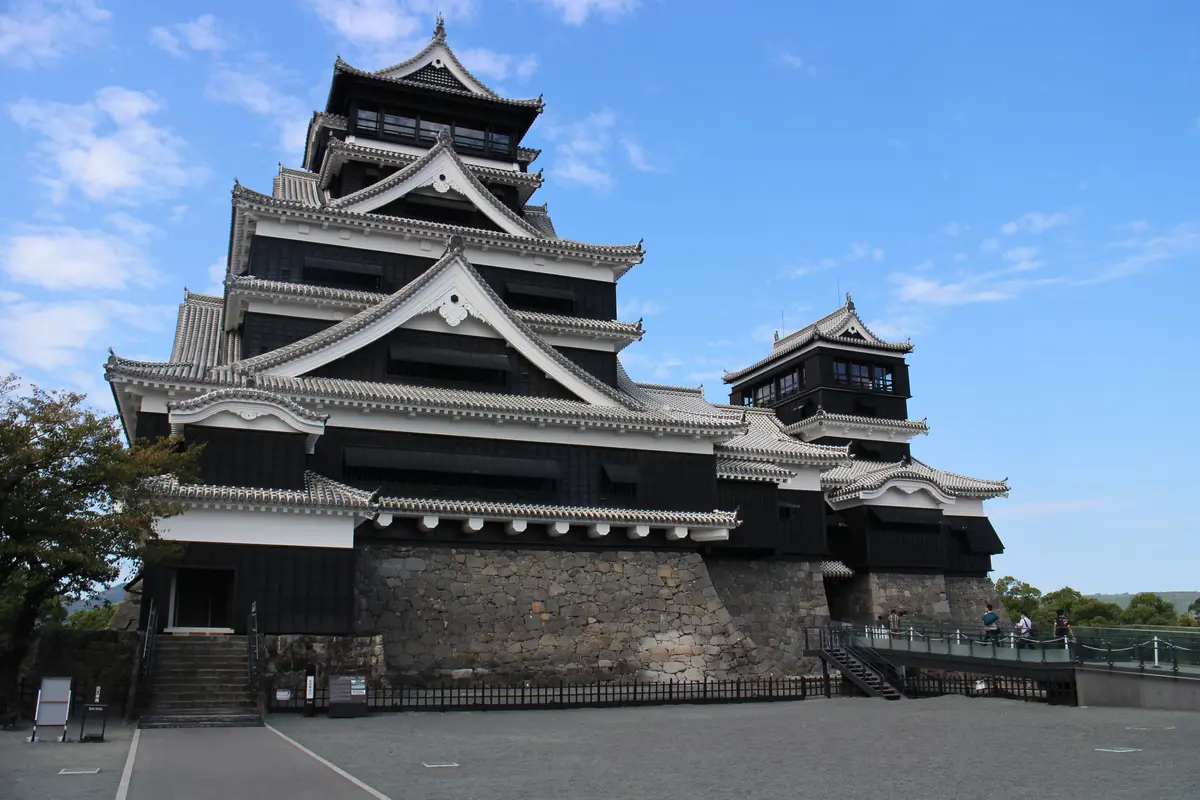
Kato Kiyomasa, a general under Hideyoshi, built this castle with musha-gaeshi, stone walls that curve up until they are almost vertical so attackers could not climb them. The keep, badly damaged by the 2016 earthquake, has been restored, while repairs to the walls go on. About 10 minutes from Kumamoto Station by tram, then a 10-minute walk.