Kyoto Prefecture
Do
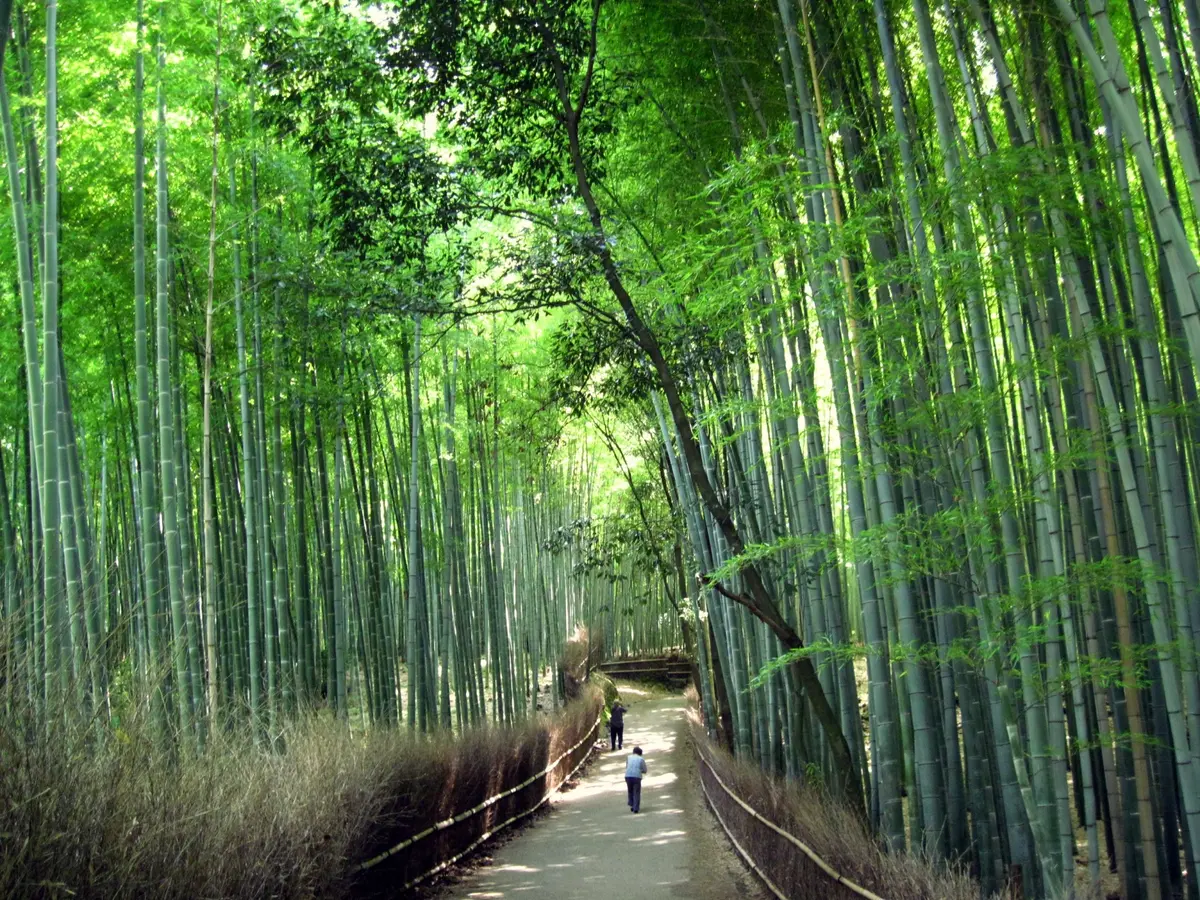
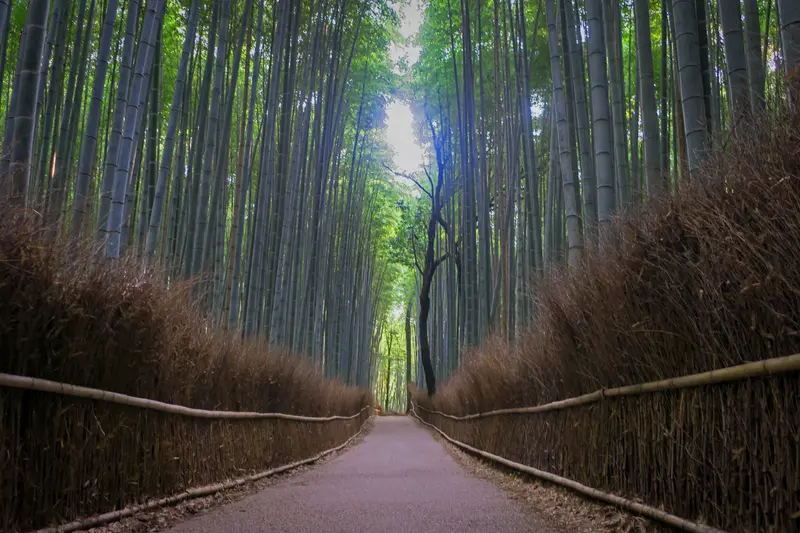
Walk a path through towering bamboo
Some of Japan's bamboo groves have paths running through them, with stalks rising so high that the sky shows only as a thin strip. Walk slowly and listen to the leaves rustle and the stalks creak in the wind.
Town
Kyoto
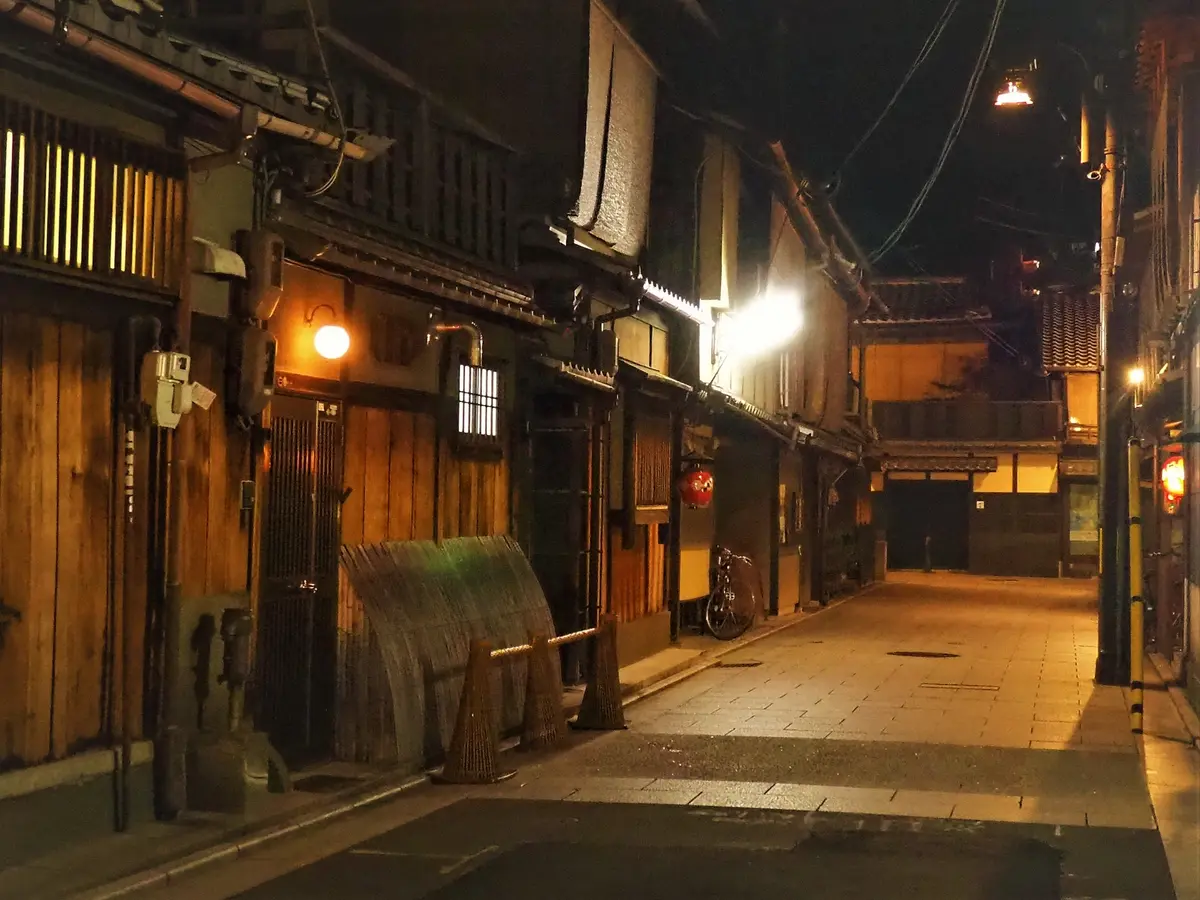
A geisha district of lattice teahouses
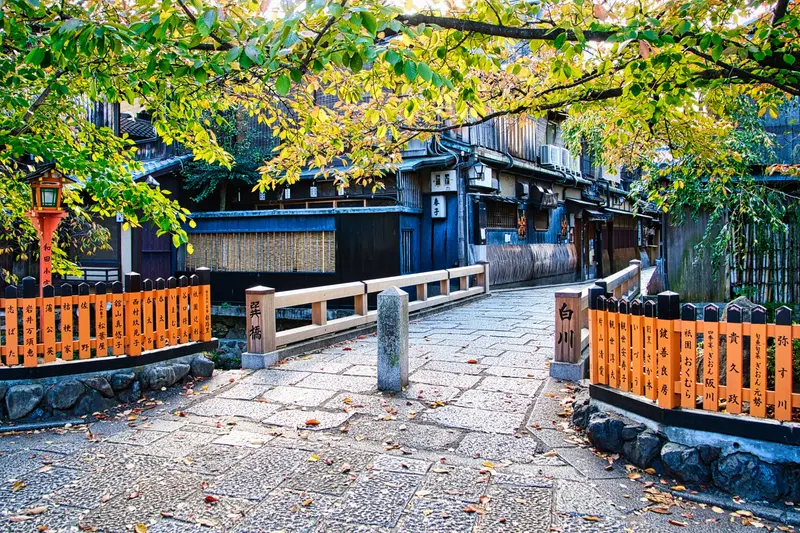
Gion grew up as the town in front of Yasaka Shrine, once called Gion-sha, and became Kyoto's best-known district of teahouses where geiko, Kyoto's geisha, entertain guests. Cool off with kuzukiri at a sweet shop open since the 1700s, then walk the stone-paved streets and the cherry-lined Shirakawa canal.
Do
Walk at night among glowing bamboo lanterns
On a few autumn evenings, some towns cut bamboo into lanterns, set a candle or small light inside, and line their bamboo groves, old lanes and temple steps with them. You stroll slowly along the glowing paths, through scenes that look nothing like they do by day. Each festival lasts only one to three days a year, so check the dates before you plan a trip around one.
Town
Kyoto
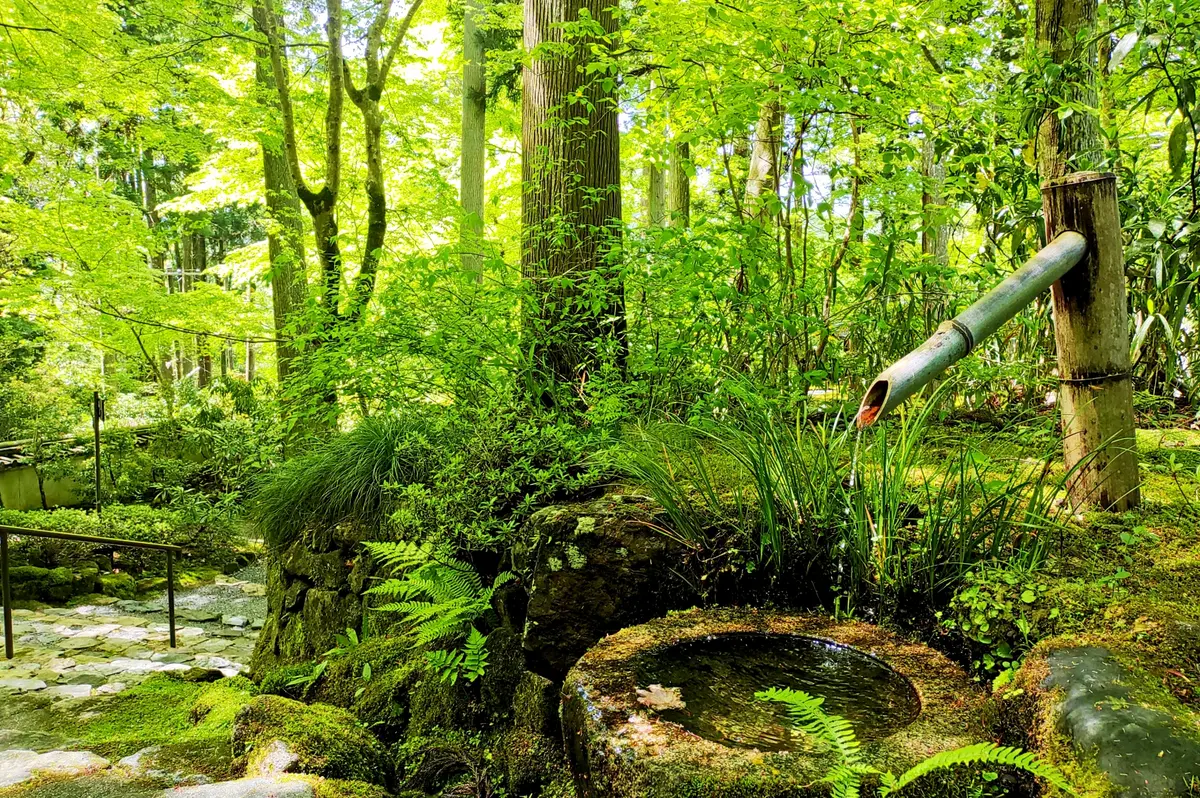
A mountain village of pickles and moss gardens
Ohara is a farming village in the hills, about an hour by Kyoto Bus north of Kyoto Station. Its big swings between day and night temperatures grow fine red shiso, the herb that dyes shibazuke, a purple pickle made mainly from eggplant. Buy some pickles, then walk to temples with moss gardens and garden views framed by pillars.
Town
Ine
A fishing village that seems to float on a bay
Around Ine Bay, on the Sea of Japan coast in the far north of Kyoto Prefecture, some 230 funaya stand at the water's edge: wooden boathouses with a garage for a fishing boat on the ground floor, opening straight onto the sea. Take a short cruise to see the whole row from the water, then step inside a funaya or walk the road behind them. It is about three hours each way from Kyoto Station by train and bus, and buses are not frequent, so plan a full day or stay the night.
Town
Kyoto
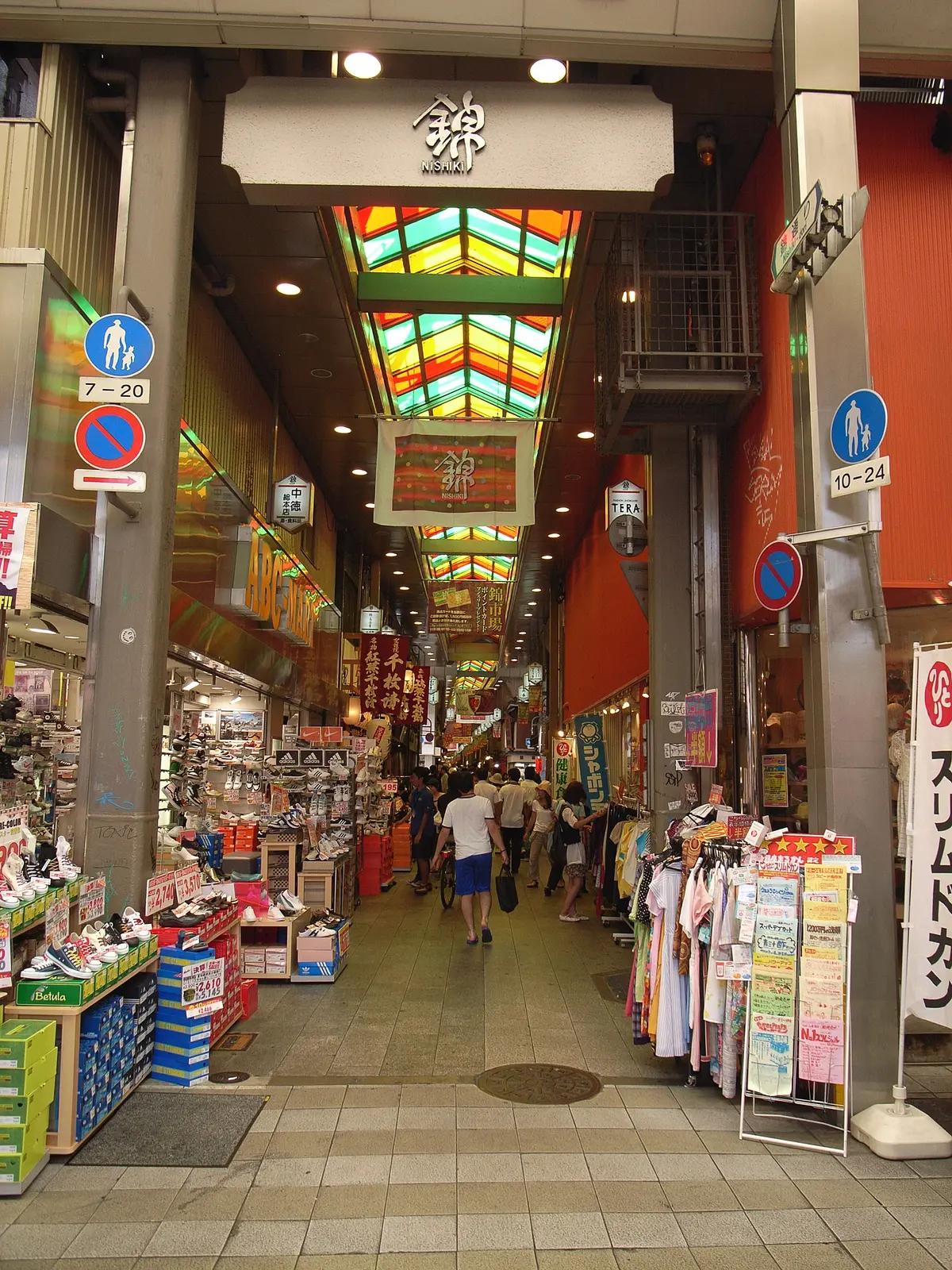
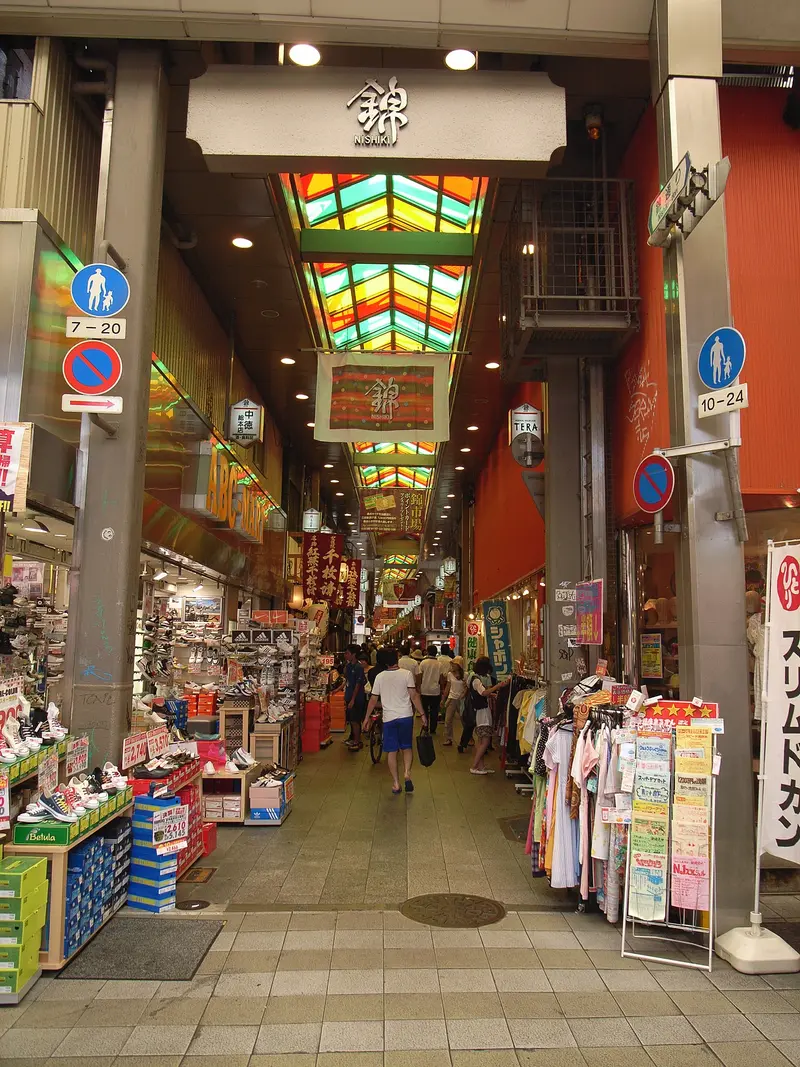
A market street of rolled omelets and pickles
Nishiki Market, known as Kyoto's kitchen, began as a street of fish sellers drawn by the good groundwater locals call Nishiki water. Today it is a narrow covered lane of food shops. The market asks visitors not to eat while walking, so eat in front of the shop where you bought it or at its counter.
Do
Kyoto Prefecture
Eat fresh mochi outside shrine gates
Many Kyoto shrines have mochi shops at their gates, where worshippers stop for a sweet on the way home. Mochi is a chewy cake of pounded rice, and here it comes toasted over charcoal or freshly made, best eaten on the spot. Bring some cash, and come early: popular shops can sell out.
Town
Kyoto
Hot tofu and a bamboo grove in an old retreat
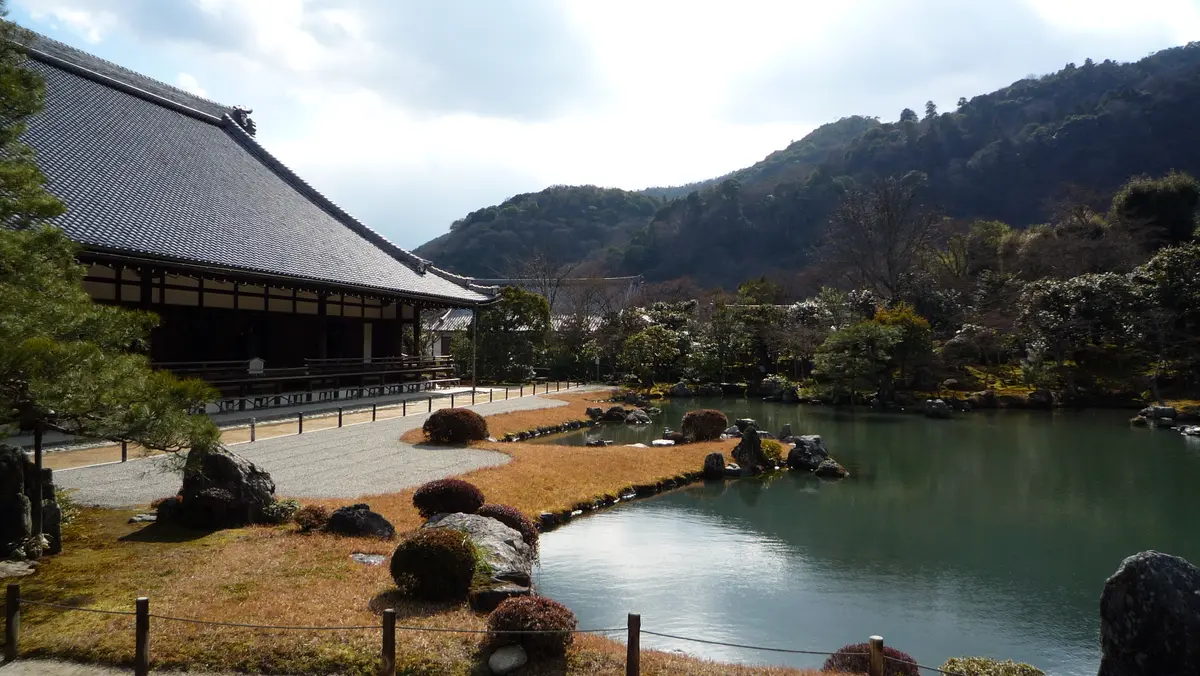
Sagano and Arashiyama, on Kyoto's western edge, were where Heian-era nobles kept country villas to enjoy the hills and river. Have a lunch of yudofu, tofu simmered in kelp broth, inside a temple, then walk the bamboo grove and cross the river on the long bridge.
Town
Uji
A town of matcha sweets and old tea shops
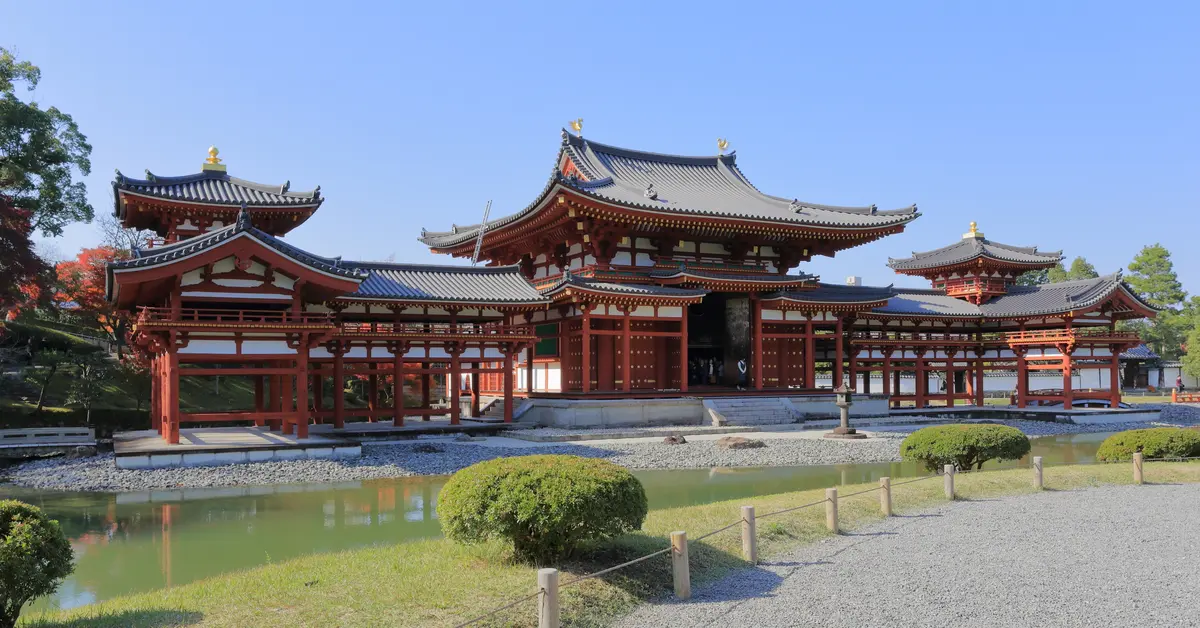
Uji, under 30 minutes by train from Kyoto, has grown tea for centuries and is known across Japan for its matcha. The street leading to Byodoin temple is lined with tea merchants and cafes. See the Phoenix Hall, then stop for matcha sweets or a cup of tea.
Do
Drink fresh beer next to the tanks it came from
All over Japan, small craft breweries pour their beer in taprooms set right beside the brewing tanks, so what you drink was made a few steps away. Order a few small glasses to compare styles, often with food made to go with them. The places in and around Tokyo make an easy evening out, while those farther away fit into a longer trip through the region.
Do
Spend a day reading among walls of manga
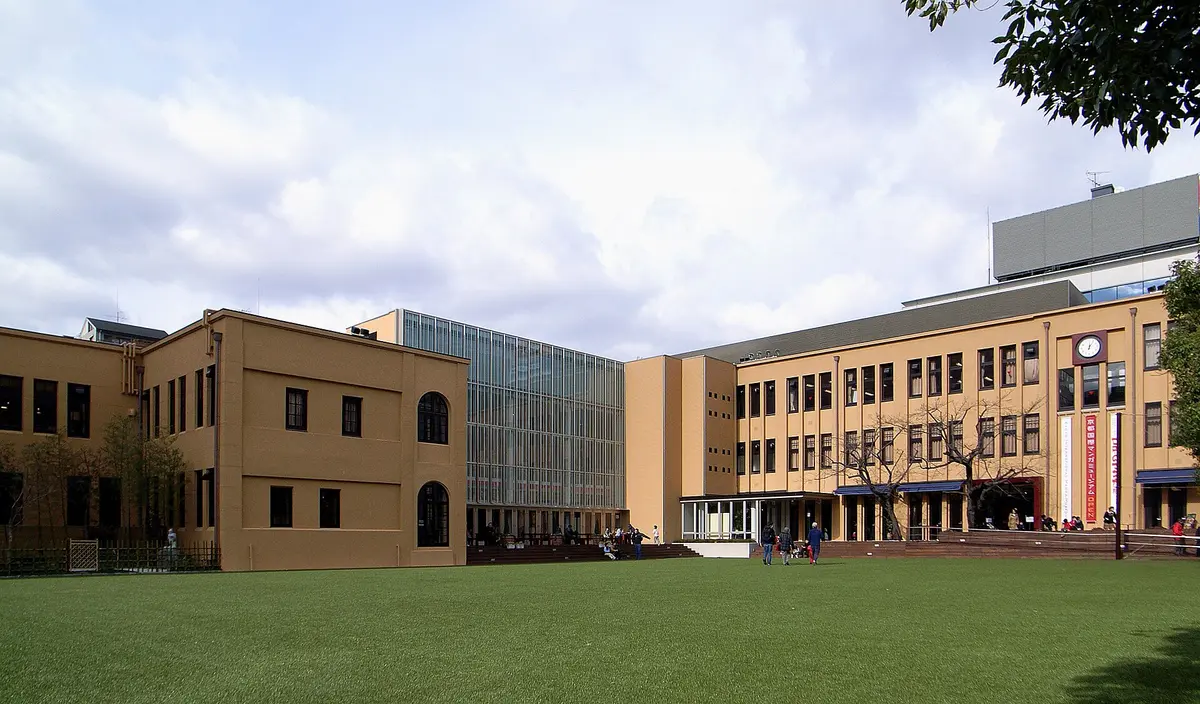
Manga are Japanese comics, and at these museums tens of thousands of volumes line the walls, free to take down and read inside. Pick up a classic or a series you have never heard of, and read for as long as you like. Most books are in Japanese, but the pictures carry much of the story, so you can enjoy them without reading every word.
Do
Eat lunch on a deck over a rushing stream
In summer, restaurants in the hills around Kyoto and Osaka set up kawadoko, wooden platforms built right over a stream. Sit on tatami just above the water and eat a multi-course lunch while the current rushes beneath you, in air cooler than the city's. Most need a reservation.
Town
Miyazu
Wisdom mochi and a pine-lined sandbar across the bay
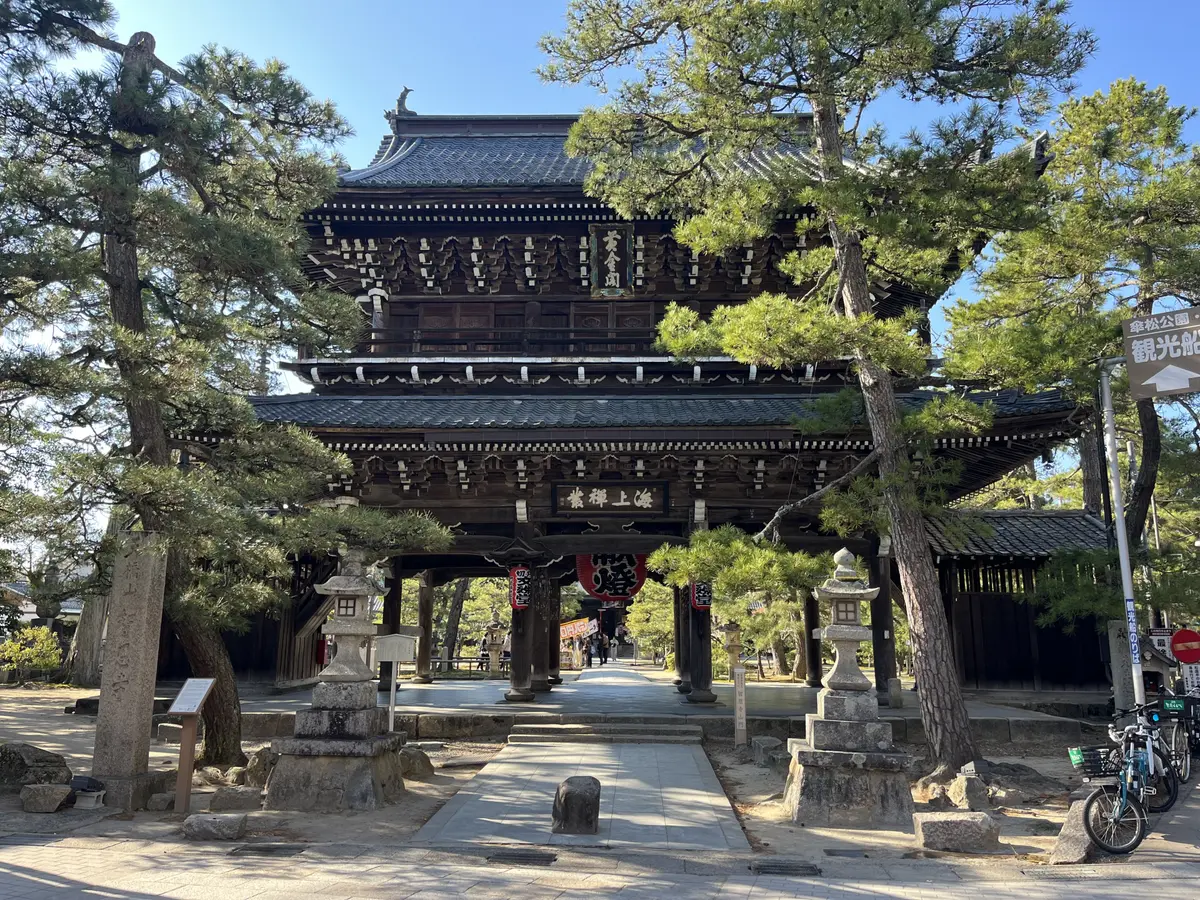
Amanohashidate, one of Japan's Three Views, is a sandbar of pines stretching across a bay on the Sea of Japan coast, about two hours from Kyoto by direct train. By the temple near the station, four teahouses have sold chie-no-mochi, "wisdom mochi", since the 1600s. Have one, walk or cycle across the sandbar, then ride up to a hilltop lookout and see the view upside down between your legs, as visitors here have long done.
Do
Snack your way through a food market
Japan's food markets are narrow, often covered streets of fishmongers, pickle shops and sweet stalls, and many sell small bites to eat on the spot, such as grilled scallops, rolled omelet and fresh sashimi. Buy a little at each stall and eat it at the shop or in a seating area, as some markets do not allow eating while walking. Go in the morning, since many shops close by mid-afternoon.
Do
Wander autumn temples lit up after dark
Most temples in Japan close around 5pm, but in autumn some reopen after dark for a few weeks. Floodlit maples, gardens and wooden halls look nothing like they do by day, and some halls open to visitors only during these nights. Dates change every year, so check before you go.
Do
See Japan's three views prized for 400 years
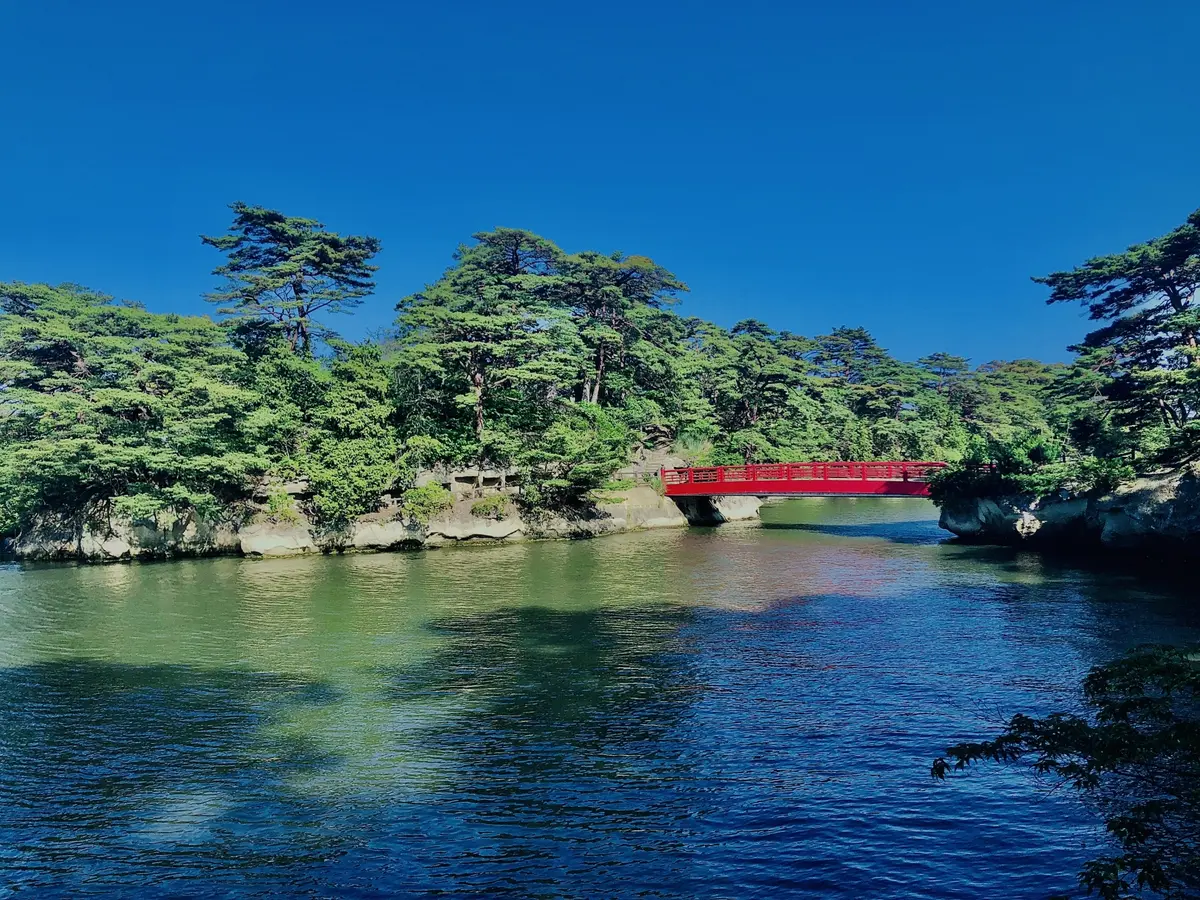
Since the 1600s, Japan has named three places its Three Views: a bay scattered with pine-covered islands, a long sandbar of pines across a bay, and a red torii gate standing in the sea. In each, you take in the view from a boat and from a lookout above. They are far apart, so pick the one on your route: Matsushima from Sendai, Amanohashidate from Kyoto, or Miyajima from Hiroshima.
Do
Ride a boat between the cliffs of a gorge
River boats carry you into gorges, where you sit close to the water and look up at cliffs, rapids and forest that you cannot see from the road. On some rivers, boatmen steer long wooden boats down the rapids by hand with poles and oars. Sailings stop when the water is too high or too low, so check the operator's notice on the day.
Do
See flowers float in a shrine's water basin
Before praying, visitors to a shrine or temple rinse their hands at a stone water basin, and some places now fill these basins with floating seasonal flowers, a custom called hanachozu. The flowers are changed often, so the colors are different each time you go. Some displays run only at certain times of year, so check the shrine's website before a long trip.
Do
Kyoto Prefecture
Freshly made warabi mochi, eaten at the tearoom
Real warabi mochi is made from starch taken from the roots of bracken fern, slow work that has always made it a costly treat; cheaper versions use other starches. Freshly made, it is soft and wobbly but soon firms up, so the best way to have it is sitting down in a tearoom, usually with roasted soybean flour (kinako) and dark sugar syrup.
Do
Kyoto Prefecture
Sip coffee in old cafes frozen in time
Kissaten are Japan's old-style coffee houses, and Kyoto still has several that opened in the 1930s and 1940s and keep their original look. Sit among stained glass, velvet chairs or blue lights, and order coffee or the house sweet. Some take cash only, so carry some yen.
Do
Kyoto Prefecture
Watch a temple garden framed like a painting
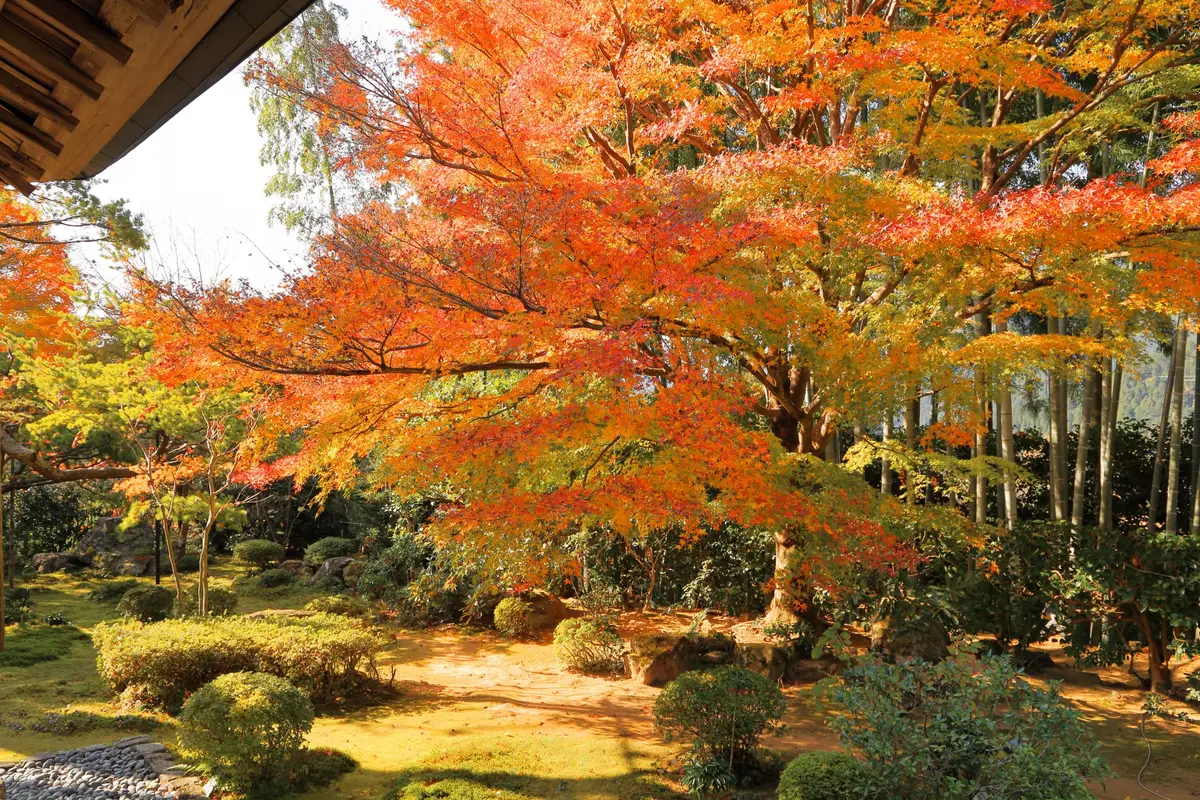
In some Kyoto temples, the garden is made to be seen sitting down. You kneel on the tatami floor of a hall, and the pillars, beams or windows frame the view like a picture. Instead of walking through it, you stay in one place and watch the garden as the light changes.
Do
Sip coffee where locals once bathed
Sento, neighborhood public bathhouses, were once part of daily life in every Japanese town, and many have closed. A few now live on as cafes, where you drink coffee among the old tiles, tall ceilings and even the bathtubs, with no need to undress. Each one keeps a different piece of its bathhouse past, so it is fun to visit more than one.
Do
Sip tea by a tiny garden in an old townhouse
Machiya are the old wooden townhouses of Kyoto, long and narrow, and many have a tsuboniwa, a tiny courtyard garden that brings light and green into the middle of the house. Some have become cafes where you sit facing the garden over matcha or tea and a sweet. They are in central Kyoto, a short walk from busy streets, and some ask you to take off your shoes at the entrance.
Do
Kyoto Prefecture
Visit Zen gardens of rock and raked gravel
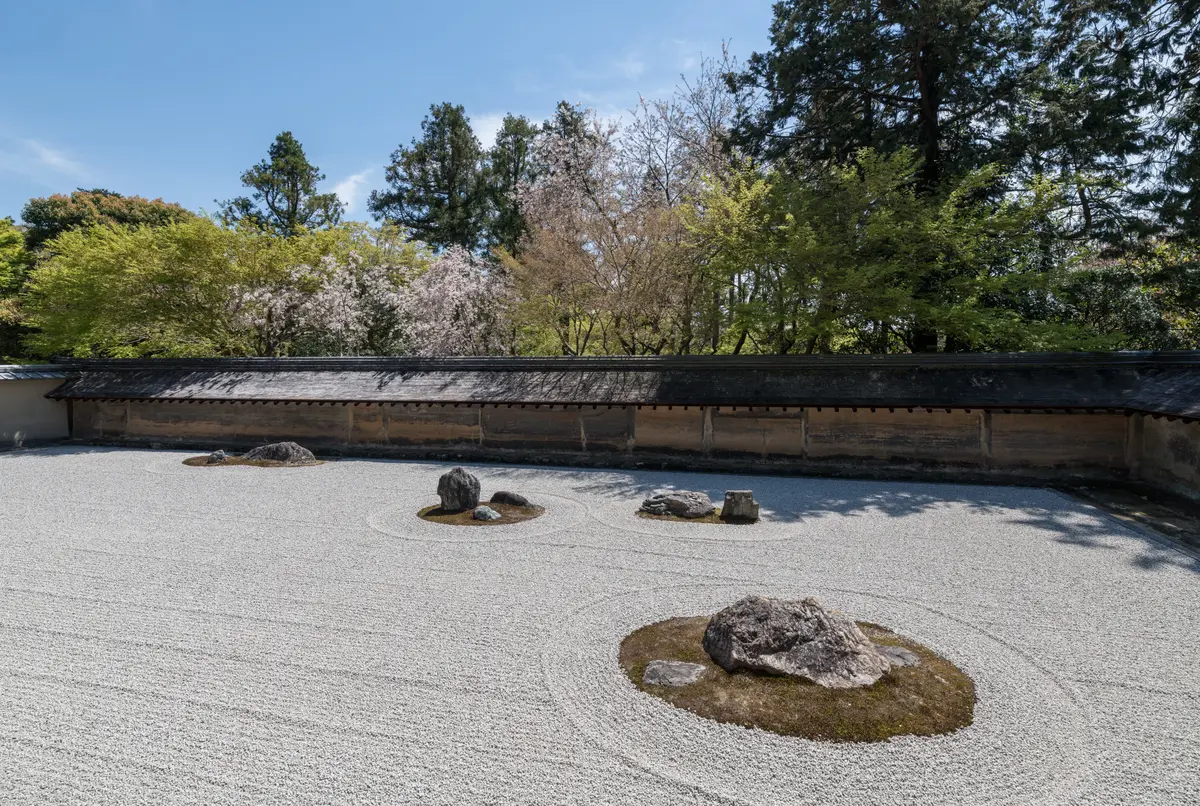
Karesansui, or dry landscape gardens, use only rocks, gravel and moss to suggest mountains, rivers and the sea. Each Zen temple in Kyoto reads the stones its own way: a tigress carrying her cubs across a river, a checkerboard of moss. Take your time, and stay off the raked gravel.
Town
Kyoto
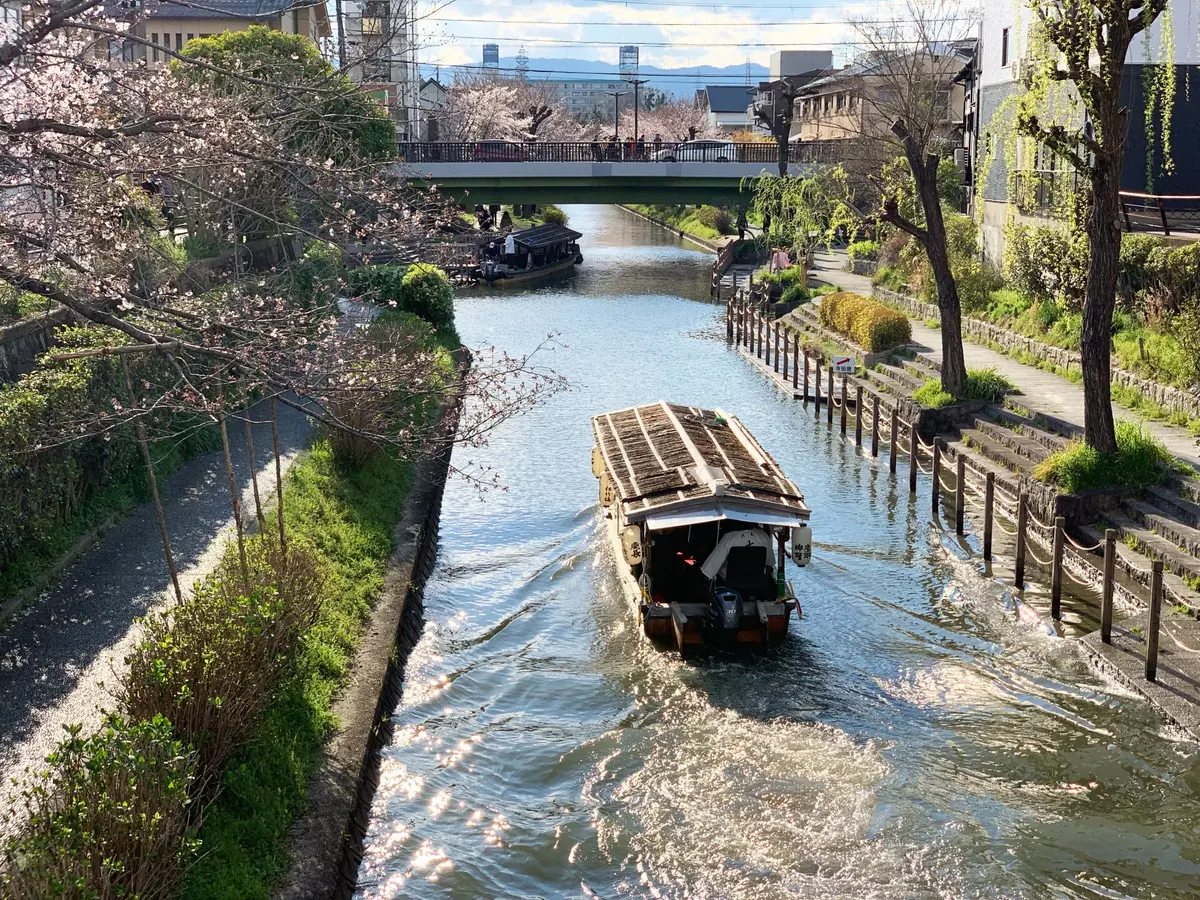
A sake town where boats glide past breweries
Fushimi, in southern Kyoto, became one of Japan's great sake towns thanks to its soft groundwater, so good that the town's name was once written with characters meaning "underground water," and to its river port. Ride a small boat down a canal lined with white-walled breweries and willows, then tour a brewery and taste local sakes side by side. It is a short train ride from Kyoto Station.
Town
Kyoto
Rich ramen, a bookshop and quiet hillside gardens
Ichijoji, in the north-east of Kyoto, is known for the ramen shops lined up along its main road, many of them serving rich, heavy broths. A few minutes' walk uphill, the neighbourhood reaches the foot of Mount Hiei, where a poet's 17th-century retreat and quiet temple gardens sit among the trees. It is a short ride from Demachiyanagi on the small Eizan Railway.
Town
Kyoto
Pottery shops on stone steps up to a temple
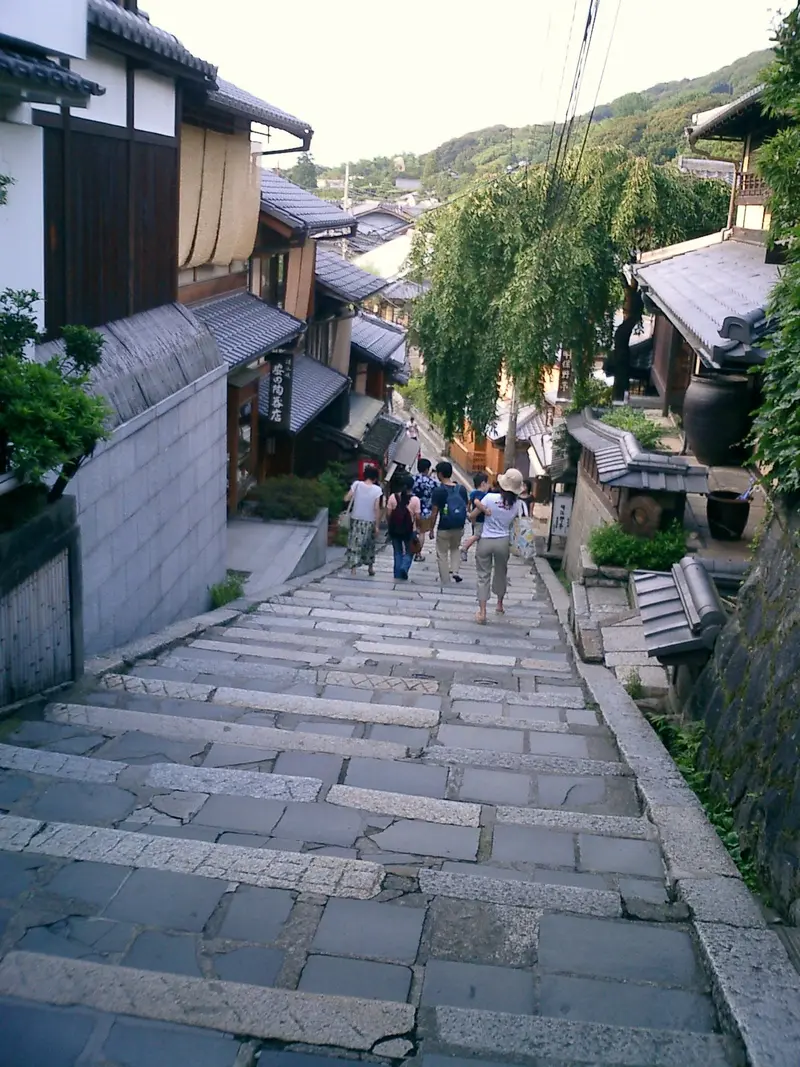
The slopes below Kiyomizu-dera were once the heart of Kiyomizu-yaki, Kyoto's pottery. Browse cups and plates by local artists and kilns, pick up a pouch of seven-spice chili, then climb the stone lanes to the temple's wooden stage for a view over the city.
Do
Kyoto Prefecture
Warm up with simmered tofu by a temple gate
Yudofu is tofu simmered at your table in a pot of kelp broth and dipped in a soy-based sauce. Restaurants by the gates of Nanzenji, Kiyomizu-dera and Tenryuji serve it as a set meal, some in rooms facing a garden. It makes a warm lunch after a cold morning of temple visits.
Do
Kyoto Prefecture
Browse monthly markets at temples and shrines
On fixed days each month, Kyoto temples and shrines fill their grounds with market stalls: street food, old wares, and crafts sold by the people who made them. Check the date before you go, bring cash, and come in the morning for the best finds.
Town
Kyoto
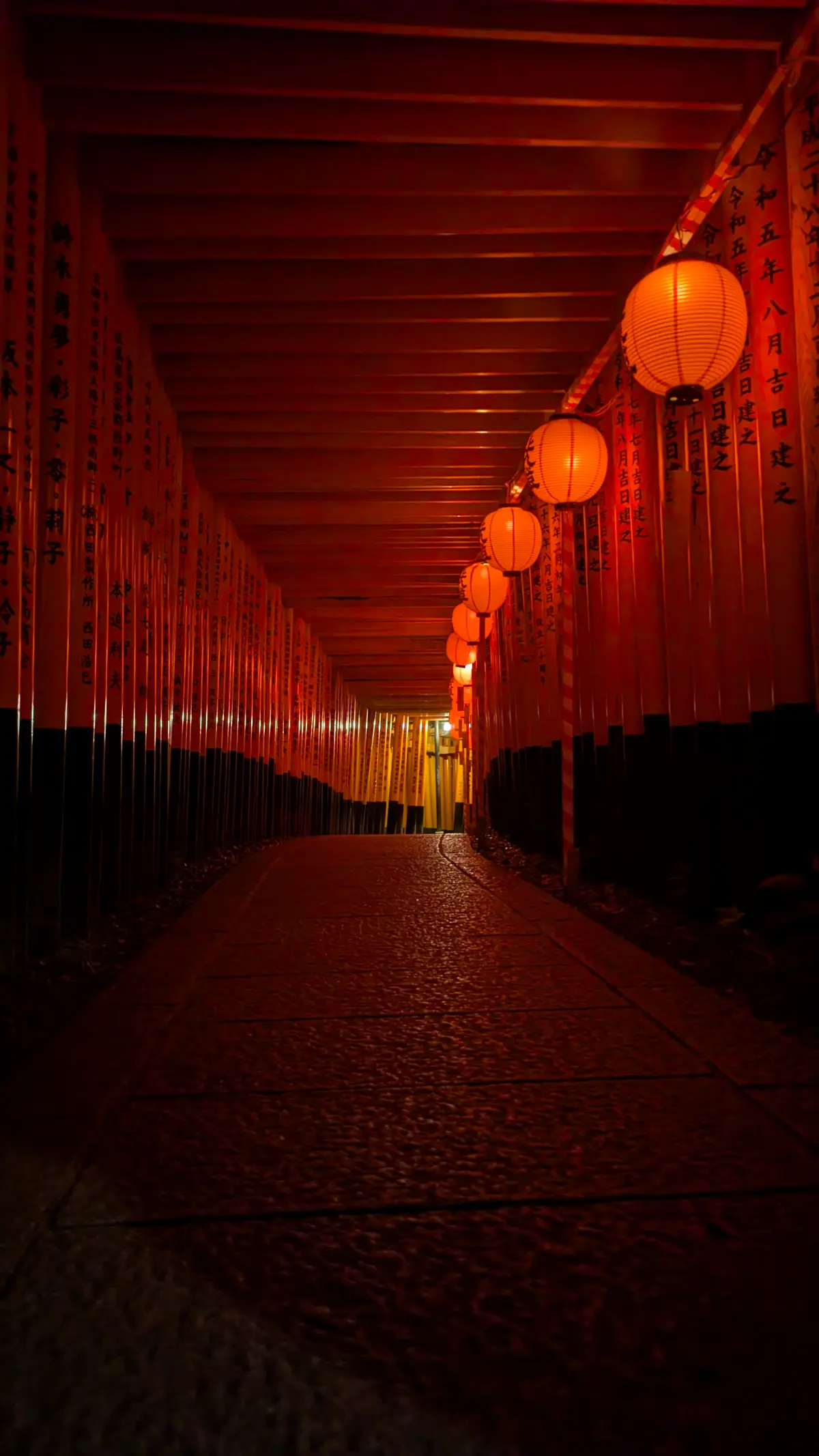
Tunnels of red torii and fox-shaped crackers
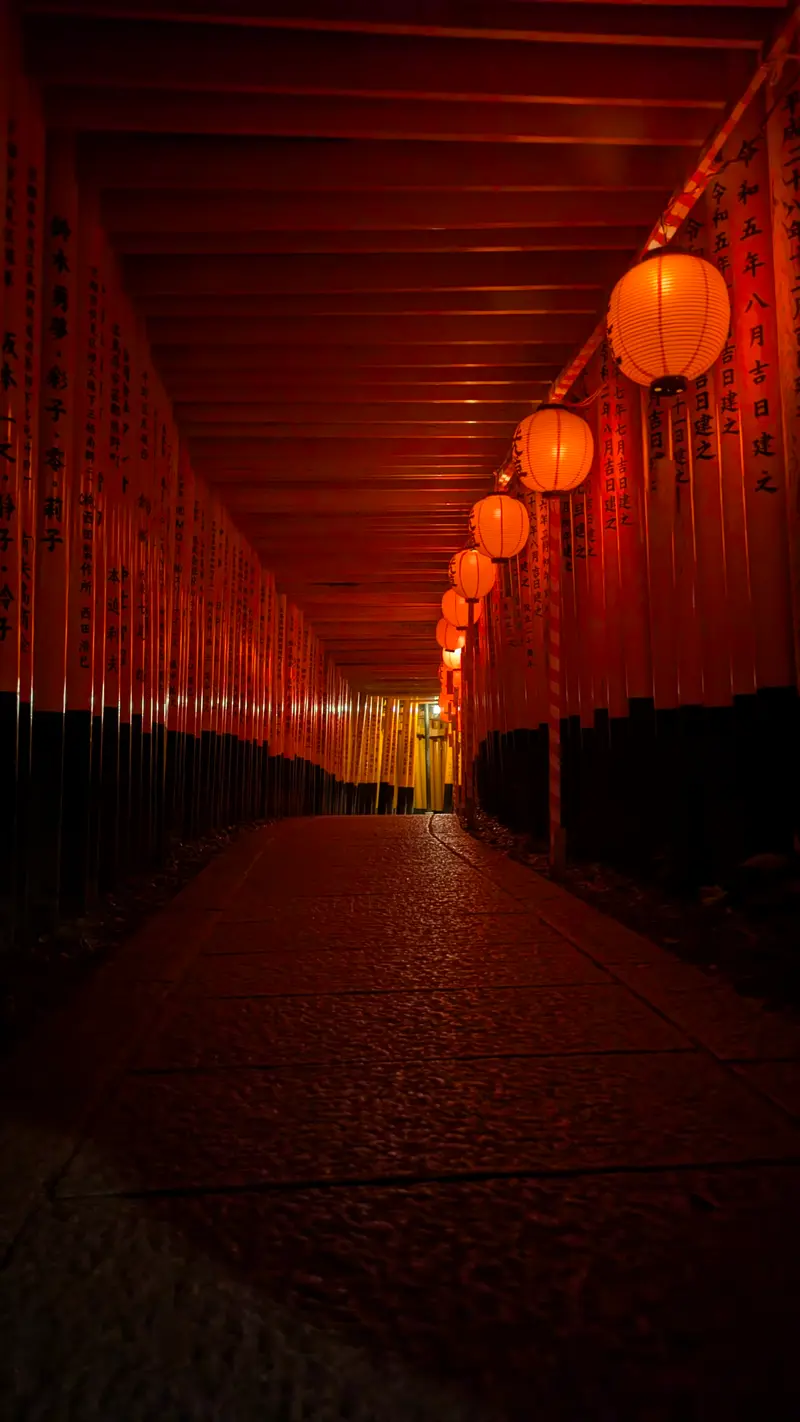
Fushimi Inari Taisha is the head shrine of Inari, the god of rice and prosperity, whose messengers are foxes. Behind its main hall, about 10,000 vermilion torii gates climb the mountain in long tunnels. On the way back, snack down the approach street on inari sushi and fox-shaped crackers.
Do
Walk temple slopes full of June hydrangeas
In June, during tsuyu, Japan's early-summer rainy season, hydrangeas bloom blue and purple across the grounds of Buddhist temples. Walk the paths and stairs among the flowers, whose colors look deepest in the rain. Many temples charge an entry fee or take reservations only in the flower season, so check their websites before you go.
Do
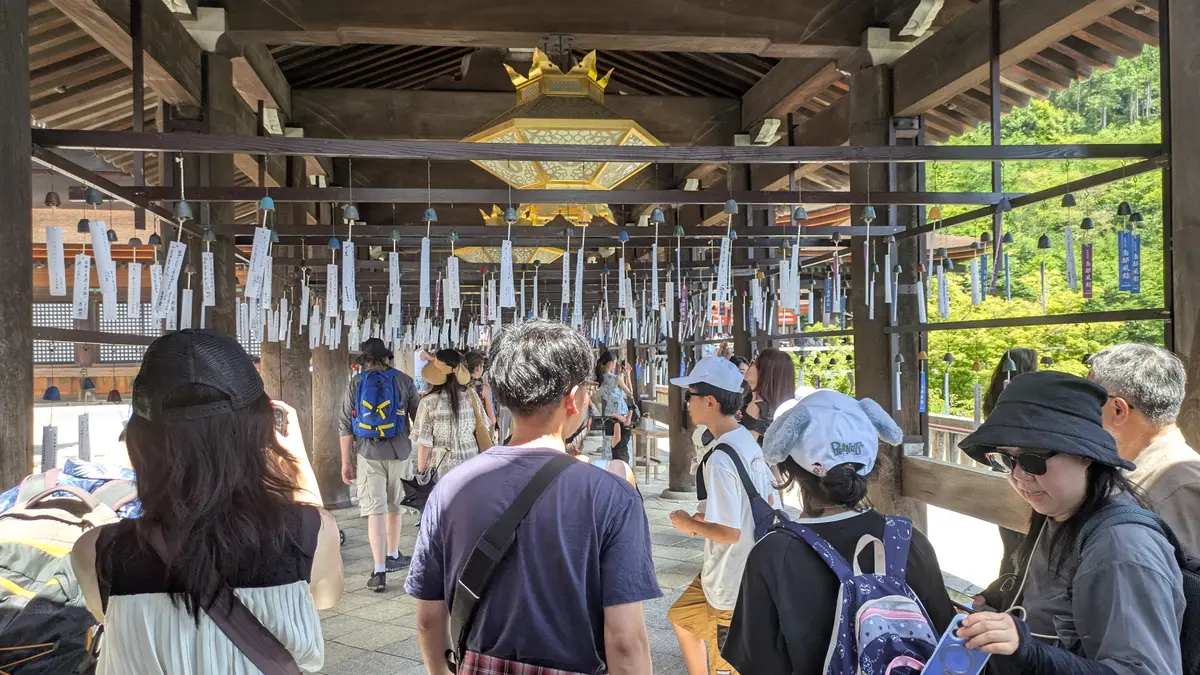
Hear wind chimes ring across a summer shrine
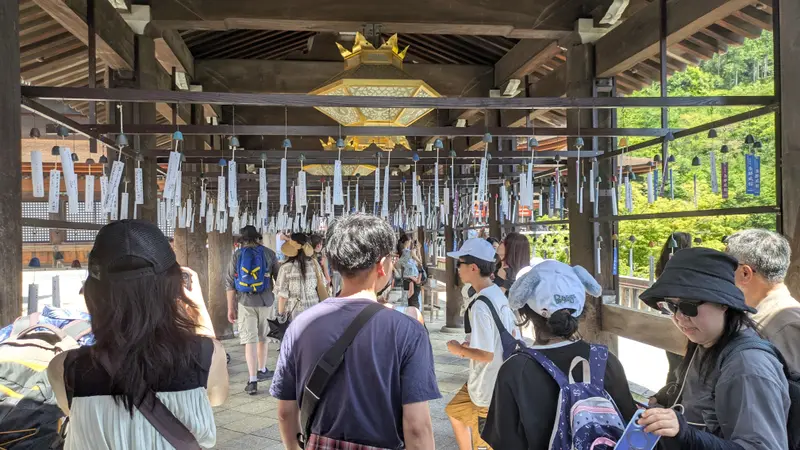
Every summer, some Shinto shrines hang hundreds or even thousands of furin, small glass or metal wind chimes, along their paths and corridors. Walk beneath them as they ring in the breeze, and in the evening many are lit up. The displays run only from about June to early September, so check the dates before you go.
Do
Watch cormorants fish by firelight on a river
In ukai, fishermen called usho handle trained cormorants on leashes, and the birds dive for sweetfish under a basket of fire hung from the bow; a cord around each bird's neck stops it from swallowing the bigger fish. Watch from a roofed boat drifting alongside, close enough to feel the heat of the flames. It is held on summer nights.
Explore More Areas
Shiga Prefecture
Hyogo Prefecture
Nara Prefecture
Osaka Prefecture
Kyoto
Recommended
Sightseeing
Cafe & Sweets
Bar
zoo
Aquarium
Museum
Spa
Park
Temples and Shrines
Kyoto, Kyoto Prefecture
Gion Shirakawa
Kyoto, Kyoto Prefecture
Fushimi Inari Taisha
Kyoto, Kyoto Prefecture
Sanjusangendo Temple
Uji, Kyoto Prefecture
Byodoin Phoenix Hall
Kyoto, Kyoto Prefecture
Kiyomizu-dera Temple
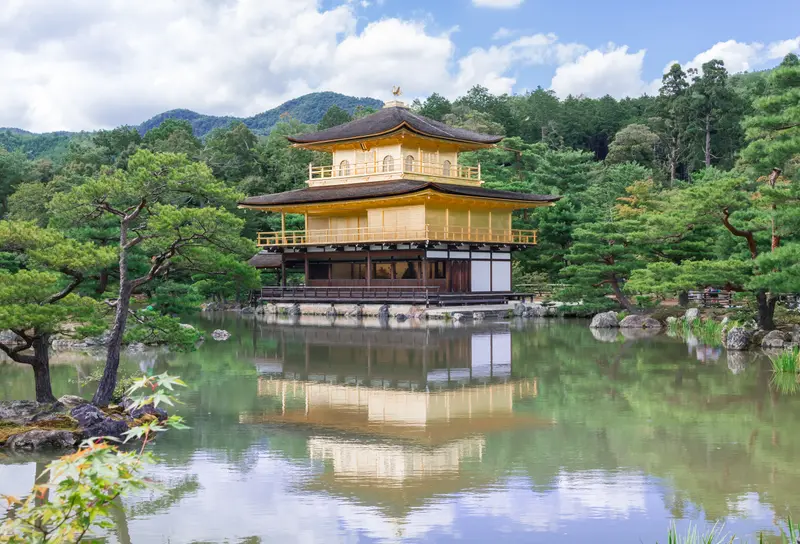
Kyoto, Kyoto Prefecture
Kinkakuji Temple
Ine, Kyoto Prefecture
Ine no Funaya (Ine Boathouses)
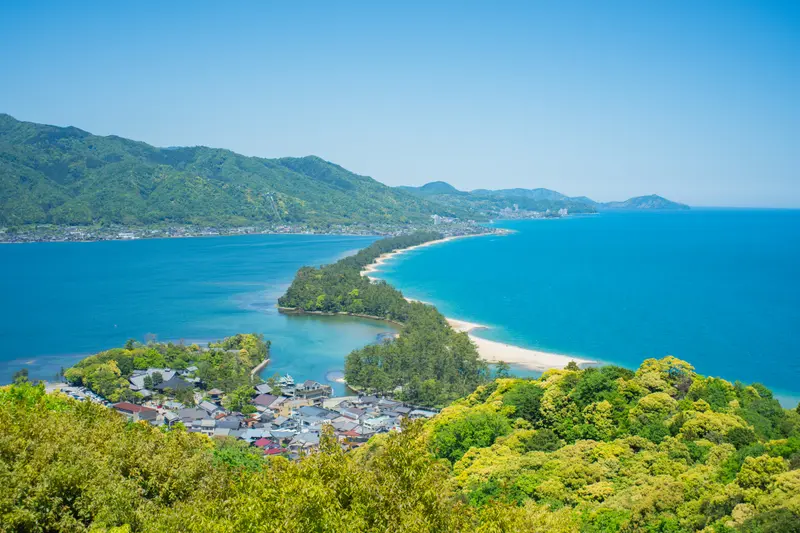
Miyazu, Kyoto Prefecture
Amanohashidate
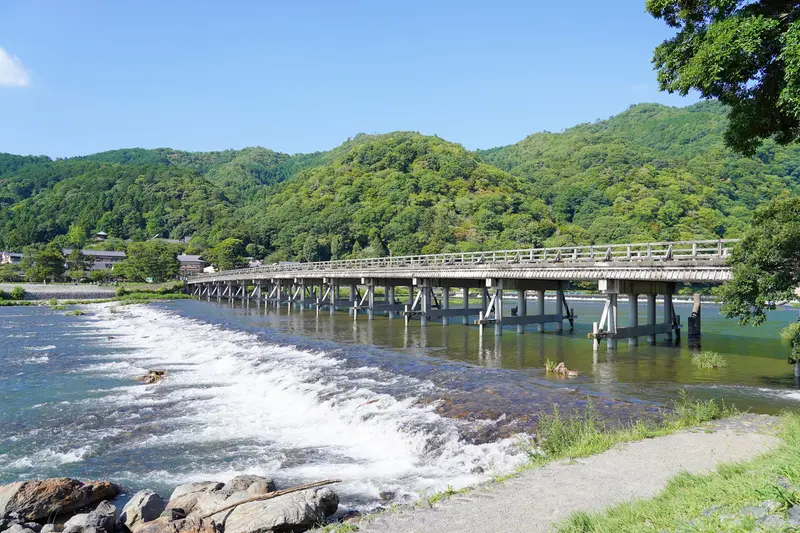
Kyoto, Kyoto Prefecture
Togetsukyo Bridge
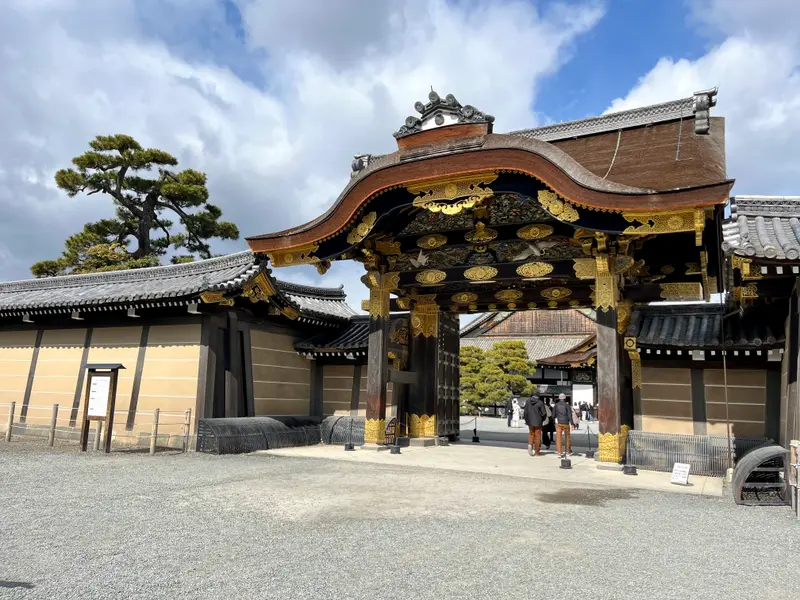
Kyoto, Kyoto Prefecture
Nijo Castle
Kyoto, Kyoto Prefecture
Sannenzaka (Sanneizaka)
Uji, Kyoto Prefecture
Nakamura Tokichi Honten
Kyoto, Kyoto Prefecture
Arashiyama Bamboo Grove Path
Kyotanabe, Kyoto Prefecture
Shuen-an (Ikkyuji Temple)
Kyoto, Kyoto Prefecture
Nishiki Market
Maizuru, Kyoto Prefecture
Goro Sky Tower
Kyōtango, Kyoto Prefecture
Kotohikihama Beach
Maizuru, Kyoto Prefecture
Maizuru Red Brick Park
Fukuchiyama, Kyoto Prefecture
Fukuchiyama Castle Keep
Kyoto, Kyoto Prefecture
The Philosopher’s Path
Kyoto, Kyoto Prefecture
Japanime Art Gallery
Kameoka, Kyoto Prefecture
Hozugawa Boat Ride
Kyoto, Kyoto Prefecture
哲学の道
Kyoto, Kyoto Prefecture
チームラボ バイオヴォルテックス京都
Kyoto, Kyoto Prefecture
京都御所
Kyoto, Kyoto Prefecture
ロバート イエリンやきものギャラリー
Uji, Kyoto Prefecture
大吉山展望台
Kyoto, Kyoto Prefecture
Kyoto Railway Museum
Kyoto, Kyoto Prefecture
河井寛次郎記念館
Kyoto, Kyoto Prefecture
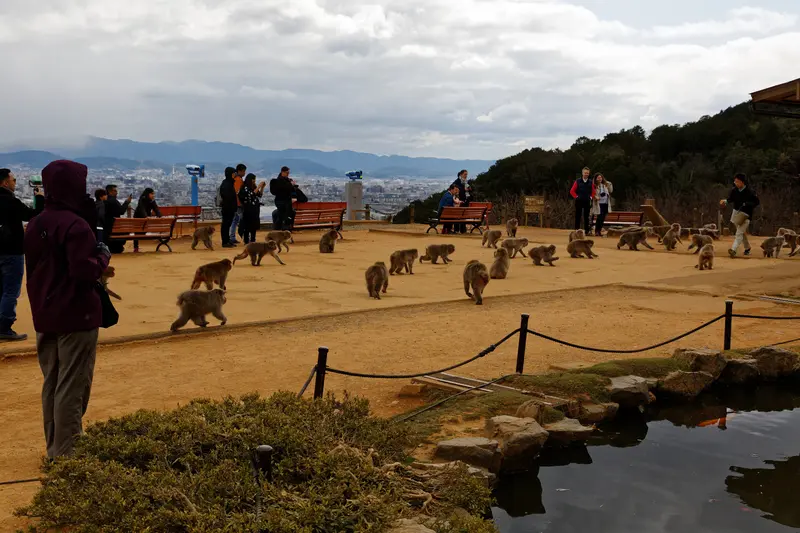
嵐山モンキーパークいわたやま
Spots
Ideas
You